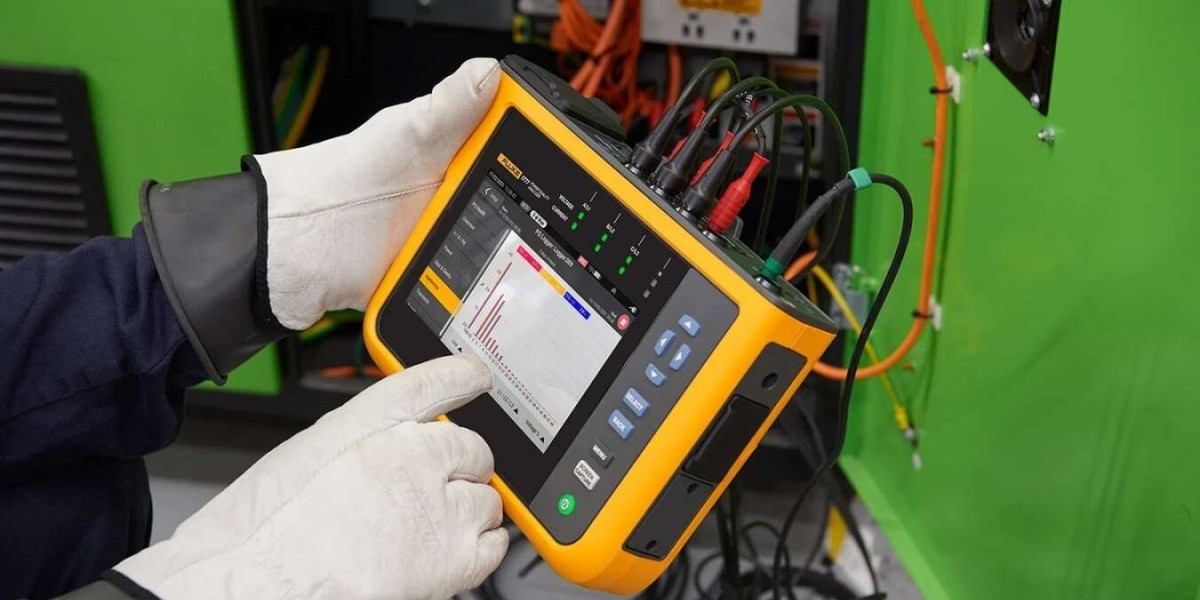


Power Quality Equipment Market Challenges: Cost, Integration, Technology, and Infrastructure Issues
Introduction
Power quality has become increasingly important as electrical systems grow more sophisticated and dependent on sensitive electronic equipment. Manufacturing plants, data centers, healthcare facilities, commercial buildings, utilities, transportation infrastructure, and communication networks require stable electricity to maintain reliable operations. Voltage fluctuations, harmonics, transients, interruptions, and poor power factor can create equipment failures, production losses, and higher operating costs.
Although demand for power quality solutions is expanding, the power quality equipment market challenges are influencing adoption, product development, installation, and long-term system management. High initial costs, complex integration, technical skill shortages, cybersecurity requirements, changing electrical infrastructure, supply-chain issues, and evolving technologies all create difficulties for market participants.
High Initial Equipment Costs
One of the most significant challenges is the upfront cost associated with advanced power quality equipment.
Modern solutions may include sophisticated sensors, digital controllers, power electronics, communication systems, software, batteries, and monitoring platforms. Comprehensive installations can therefore require substantial capital expenditure.
Large industrial facilities may have the financial capacity to invest in these technologies, but smaller businesses can face budget constraints.
When power quality problems are occasional rather than continuous, organizations may also struggle to justify the initial investment.
Complex System Integration
Power quality equipment must often operate alongside existing electrical infrastructure.
Many industrial plants and commercial buildings contain equipment installed over several decades. Legacy switchgear, control systems, wiring configurations, and monitoring technologies may not easily communicate with modern digital equipment.
Integration can require additional engineering, testing, hardware, and software.
In some cases, facilities may need temporary shutdowns during installation, which can create operational difficulties.
Shortage of Skilled Professionals
Advanced power quality systems require specialized knowledge.
Engineers and technicians must understand electrical distribution, harmonic distortion, power factor, voltage regulation, transient behavior, digital monitoring, and equipment configuration.
A shortage of qualified professionals can delay installation and maintenance.
Organizations without dedicated electrical specialists may need to rely on external service providers, increasing project costs and response times.
Training and technical education will therefore remain important for successful adoption.
Difficulty Measuring Financial Benefits
Another challenge is demonstrating a clear return on investment.
Power quality equipment often creates value by preventing failures, reducing downtime, protecting machinery, and improving energy efficiency.
These benefits can be difficult to measure before installation.
For example, if a monitoring system prevents a production interruption, the avoided financial loss may be significant, but it can be difficult to predict accurately in advance.
This uncertainty can cause businesses to postpone investment.
Rapid Technology Development
The technology landscape is changing quickly.
Smart sensors, advanced semiconductors, artificial intelligence, cloud platforms, energy storage, and digital control systems are being incorporated into power quality solutions.
While these innovations improve performance, they can create uncertainty for customers.
Organizations may hesitate to purchase equipment if they believe newer technologies could become available shortly afterward.
Manufacturers must continuously invest in research and development to remain competitive.
Renewable Energy Integration
The expansion of renewable energy introduces additional technical challenges.
Solar and wind generation can create variable power flows because electricity production changes with weather and operating conditions.
Power electronic inverters can also influence voltage and harmonic characteristics.
Power quality equipment must increasingly operate in electrical systems containing distributed generation and changing load patterns.
Manufacturers need to develop solutions that can respond dynamically to these conditions.
Industrial Automation
Industrial automation is increasing the number of sensitive electronic devices connected to electrical systems.
Robots, variable-frequency drives, programmable controllers, sensors, automated production equipment, and digital control systems can be affected by power disturbances.
At the same time, some electronic equipment can contribute to harmonic distortion.
Managing these interactions requires careful system analysis and appropriately designed power quality solutions.
This can make industrial installations more complex than conventional electrical systems.
Cybersecurity Requirements
Connectivity is becoming a major feature of modern power quality equipment.
Remote monitoring, cloud platforms, industrial networks, and digital control systems allow operators to access equipment information in real time.
However, connected equipment can also introduce cybersecurity concerns.
Utilities, hospitals, data centers, and industrial facilities may require strict security controls before connecting electrical equipment to their networks.
Manufacturers must therefore incorporate secure communication, authentication, software updates, and data protection into their product designs.
Data Management
Smart power quality equipment can generate significant amounts of electrical data.
Voltage, current, frequency, harmonics, power factor, temperature, event logs, and equipment status can be recorded continuously.
Collecting information is only useful if organizations can interpret it effectively.
Large data volumes can create storage, processing, integration, and analytics challenges.
Manufacturers need to develop intuitive platforms that transform complex electrical measurements into practical recommendations.
Supply-Chain Constraints
Power quality equipment depends on specialized components.
Semiconductors, sensors, batteries, capacitors, transformers, controllers, and communication components can be sourced from multiple suppliers.
Shortages or delays affecting these components can interrupt production and extend delivery times.
Price fluctuations can also increase manufacturing costs.
Companies need diversified sourcing strategies, inventory planning, and stronger supplier relationships to reduce supply-chain risks.
Maintenance Requirements
Power quality equipment requires regular maintenance.
UPS systems may require battery replacement, while filters, capacitors, cooling systems, sensors, and other components may need inspection or servicing.
Failure to maintain equipment can reduce reliability and shorten operating life.
Customers must therefore consider ongoing maintenance costs when selecting products.
Manufacturers can address this challenge through remote diagnostics, predictive maintenance, service agreements, and condition-monitoring technologies.
Regulatory Compliance
Electrical equipment must meet relevant safety, performance, electromagnetic compatibility, and other technical requirements.
Regulations and standards can vary across countries and regions.
Manufacturers operating internationally may need to conduct additional testing and obtain different certifications.
Changing regulations can also require product modifications.
Compliance can increase development costs and lengthen product launch timelines.
Retrofitting Older Facilities
Retrofitting power quality systems into older facilities presents another challenge.
Electrical rooms may have limited space, existing equipment may be difficult to modify, and facility operators may be reluctant to interrupt production.
Engineers must carefully evaluate the existing electrical system before selecting equipment.
Retrofitting can therefore require more planning and customization than installations in newly constructed facilities.
Competition and Pricing Pressure
The market includes global electrical manufacturers, specialized suppliers, regional companies, and emerging technology providers.
Intense competition can place pressure on prices and margins.
Customers may compare products based on efficiency, reliability, functionality, installation costs, service capabilities, and lifecycle expenses.
Manufacturers must continuously improve products while keeping them affordable.
Sustainability Expectations
Environmental considerations are becoming increasingly important.
Customers are looking for equipment that consumes less energy, produces fewer losses, lasts longer, and uses materials responsibly.
Manufacturers may need to improve product efficiency and develop more sustainable manufacturing processes.
These improvements can increase research and production costs while requiring changes throughout the product lifecycle.
Key Market Challenges
The major challenges include:
High upfront investment
Complex electrical integration
Limited technical expertise
Difficult return-on-investment calculations
Rapid technology changes
Renewable energy integration
Industrial automation complexity
Cybersecurity requirements
Large volumes of electrical data
Supply-chain disruptions
Maintenance expenses
Regulatory compliance
Retrofitting difficulties
Competitive pricing pressure
Sustainability requirements
Strategies for Overcoming Challenges
Manufacturers can address these challenges by developing modular and scalable equipment that can be installed according to customer requirements.
Simplified interfaces can make advanced systems easier to operate.
Remote monitoring and predictive maintenance can reduce service requirements and improve equipment availability.
Manufacturers can also provide technical training and installation support to address skill shortages.
Clear lifecycle-cost analysis can help customers understand the financial benefits of preventing downtime and improving electrical efficiency.
Future Perspective
Future power quality solutions are likely to become more intelligent, connected, and automated.
Artificial intelligence and advanced analytics can help identify abnormal electrical patterns and support predictive maintenance.
Energy storage, renewable generation, electric vehicle infrastructure, and smart grids will also require increasingly sophisticated power management.
Manufacturers that combine reliable hardware with secure connectivity, intelligent analytics, efficient operation, and strong service capabilities will be better positioned to address evolving customer requirements.
Conclusion
The power quality equipment market challenges extend across financial, technical, operational, technological, and regulatory areas.
High equipment costs, integration difficulties, skilled-labor shortages, cybersecurity concerns, supply-chain constraints, maintenance requirements, and rapid technological development can complicate adoption.
Nevertheless, these challenges are encouraging manufacturers to develop more flexible, efficient, intelligent, and user-friendly solutions.
Companies that focus on scalable technology, reliable performance, cybersecurity, technical support, predictive maintenance, and lifecycle value can overcome many adoption barriers. As electrical infrastructure becomes more digital, automated, renewable, and interconnected, addressing these challenges will remain essential for the continued development of power quality solutions.









