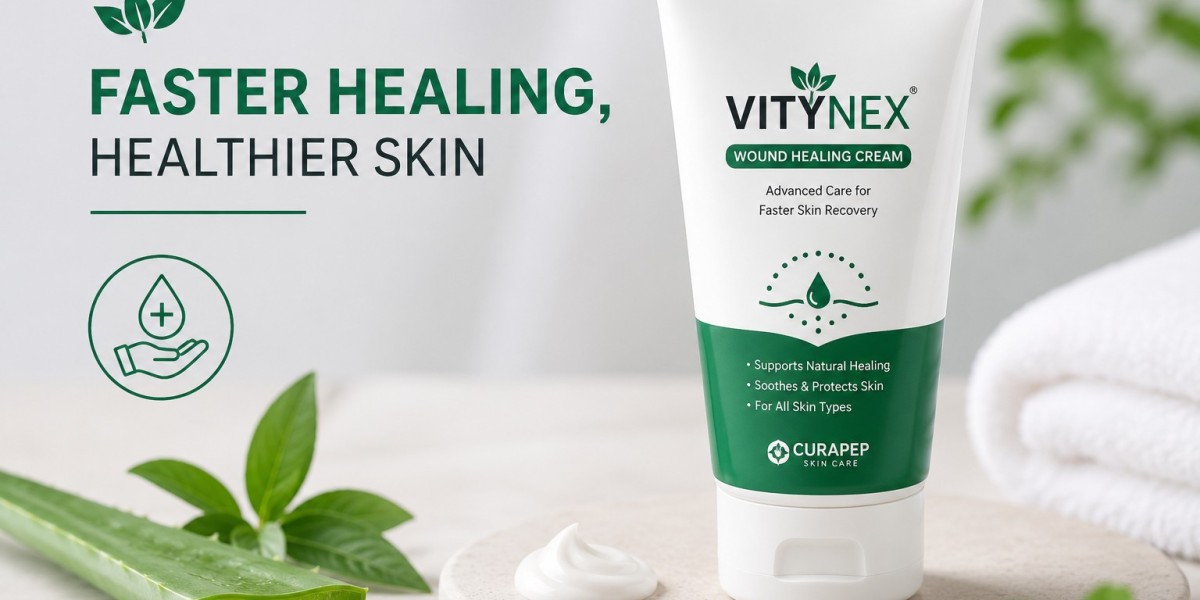


Skin injuries can occur unexpectedly, ranging from minor cuts and scrapes to irritations, burns, and wounds, including those following medical procedures. Choosing an appropriate topical product can be an important part of supporting recovery, but not every cream is suitable for every type of wound. When people search for the best wound healing cream, they are often looking for a solution that can protect damaged skin, maintain appropriate moisture, and support the body's natural repair process.
Modern wound care focuses on more than simply covering an injury. Proper cleansing, moisture management, protection, and monitoring are all important. For minor wounds, dermatologists commonly recommend gently cleaning the area, keeping it moist with an appropriate ointment such as plain petroleum jelly, and covering it with a clean dressing.
Understanding How Skin Heals
Skin has a remarkable ability to repair itself. After an injury, the body begins a coordinated process involving inflammation, formation of new tissue, and remodeling. The goal of wound care is to support this natural process while protecting the injured area from additional irritation and contamination.
Why Moisture Matters
One of the most important principles of modern wound care is maintaining a suitable moisture balance. Allowing a minor wound to become excessively dry can encourage scab formation, while an appropriately moist environment can support the movement of new skin cells across the wound. Research-based wound-care guidance supports maintaining a moist wound bed when appropriate.
However, moisture does not mean leaving a wound wet or saturated. The product and dressing should be appropriate for the wound and changed according to care instructions.
Protection Is Part of Recovery
A topical product works best as part of an overall wound-care routine. A suitable dressing can help protect an injury from friction, dirt, and repeated reopening. Dermatologists recommend covering many minor cuts after cleaning and changing the dressing regularly.
What to Look for in a Skin Recovery Cream
When evaluating a skin recovery product, consider its purpose, ingredients, texture, and suitability for the affected area. A product designed for minor skin injuries should complement proper wound hygiene rather than replace it.
Skin-Friendly Ingredients
Look for formulations designed to support the skin barrier without unnecessary irritation. Ingredients that help maintain moisture can be particularly useful for minor superficial injuries. The ideal formulation should be gentle enough for the intended area and appropriate for the skin's condition.
Avoid assuming that a stronger product is automatically better. Some ingredients can irritate damaged skin, particularly when applied unnecessarily or used too frequently.
Moisture-Balancing Properties
A useful recovery product should help prevent excessive drying while avoiding an overly occlusive or uncomfortable feel. Dermatologists note that petroleum jelly can help keep minor wounds moist and may support healing by preventing the injury from drying and forming a scab.
The appropriate level of moisture depends on the wound and the surrounding skin, so products should always be used according to their directions.
Choosing the Right Product for Different Skin Needs
Not every skin injury requires the same approach. A superficial scrape may need simple cleansing, moisture, and protection, while a deeper wound, burn, surgical wound, or chronic ulcer may require professional assessment.
For Minor Cuts and Scrapes
For uncomplicated minor injuries, basic wound care is often more important than using a complicated collection of topical products. Clean the area gently, control bleeding with appropriate pressure, apply a suitable protective ointment when recommended, and cover the injury with a sterile dressing.
For Sensitive or Easily Irritated Skin
Sensitive skin may react to fragrances, preservatives, or unnecessary active ingredients. A simple, fragrance-free formulation can be preferable when the surrounding skin is easily irritated. If burning, worsening redness, itching, or a rash develops after applying a product, discontinue it and seek professional advice when appropriate.
For Facial Skin
Facial skin deserves additional consideration because it is often more visible and may be more sensitive to certain cosmetic ingredients. A facial product should be selected based on the type of injury and the condition of the surrounding skin.
People looking for the best skin healing cream for face should prioritize gentle formulations, appropriate moisture support, and products intended for the facial area. Petroleum jelly may be useful for minor injuries, although the American Academy of Dermatology advises that people prone to acne may want to avoid applying it widely to the face, as it can contribute to breakouts in some individuals.
Why "More Active" Does Not Always Mean Better
Consumers may assume that a wound cream containing numerous active ingredients will produce better results. However, wound care is not simply about adding as many ingredients as possible.
Be Careful With Topical Antibiotics
Topical antibiotics are not automatically necessary for every minor wound. The American Academy of Dermatology notes that they can irritate the skin and cause contact dermatitis, and recommends avoiding them for routine minor wounds unless medically advised. When choosing the best cream for skin healing, it is important to consider gentle formulations that support the skin without unnecessarily increasing the risk of irritation.
This is an important distinction because infection prevention involves proper cleaning and protection, while an actual infection may require medical evaluation and targeted treatment.
Avoid Harsh Home Remedies
Alcohol, hydrogen peroxide, and other harsh substances may damage or irritate healing tissue when used improperly. Gentle cleansing with mild soap and water is generally recommended for minor injuries.
A carefully formulated recovery product should therefore be considered part of a gentle routine rather than a substitute for basic wound hygiene.
How to Use a Wound Healing Cream Effectively
Even a well-formulated cream cannot compensate for poor wound-care practices. Before applying any product, wash your hands and gently clean the injury. Remove visible dirt without aggressive scrubbing, then follow the product's application instructions.
Keep the Area Clean and Covered
After applying an appropriate ointment or cream, use a suitable dressing when necessary. Keeping minor wounds covered can help protect them from friction and contamination. Dressings should be changed regularly to maintain cleanliness.
Follow the Product Directions
Different formulations have different recommended uses. Apply only the amount indicated by the manufacturer and avoid using products on wounds for which they are not intended. If a healthcare professional has provided specific wound-care instructions, those instructions should take priority.
When Professional Wound Care Is Necessary
Creams and ointments are not appropriate substitutes for medical attention when an injury is severe or complicated. Deep wounds, uncontrolled bleeding, extensive burns, animal or human bites, and wounds with significant tissue damage may require professional treatment.
Signs of possible infection can include increasing redness, swelling, warmth, worsening pain, pus, or fever. These symptoms warrant medical evaluation rather than simply applying additional topical products.
People with certain health conditions may also need earlier medical assessment. For example, the American Academy of Dermatology advises people with diabetes to treat wounds promptly and seek immediate medical care for more serious wounds or those that fail to heal.
Supporting Better Skin Recovery
Selecting a suitable cream is only one part of effective wound management. A healthy recovery routine also includes keeping the area clean, protecting it from unnecessary friction, maintaining appropriate moisture, and avoiding practices that can damage newly forming tissue.
Protect Healing Skin From the Sun
Once a wound has healed, sun protection can help reduce persistent discoloration and improve the appearance of developing scars. Dermatologists recommend broad-spectrum sunscreen with SPF 30 or higher for healed areas that are exposed to sunlight.
Give the Skin Time
Healing does not happen at exactly the same speed for everyone. The size and depth of the injury, its location, the person's overall health, and the quality of wound care can all influence recovery. Instead of expecting an instant result from a cream, focus on consistent, gentle care.
Final Thoughts
Finding an effective wound recovery product is less about choosing the most expensive or heavily marketed cream and more about understanding what damaged skin actually needs. For minor injuries, evidence-based wound care emphasizes gentle cleaning, appropriate moisture, protection, and regular monitoring.
The ideal skin recovery solution should be gentle, suitable for the intended use, and easy to incorporate into a consistent care routine. When an injury appears unusually deep, painful, infected, or slow to heal, professional medical advice is more important than experimenting with additional creams.
Ultimately, good wound care combines the right topical approach with careful hygiene and protection. By understanding these principles, consumers can make more informed decisions when evaluating products intended to support healthy skin recovery.






