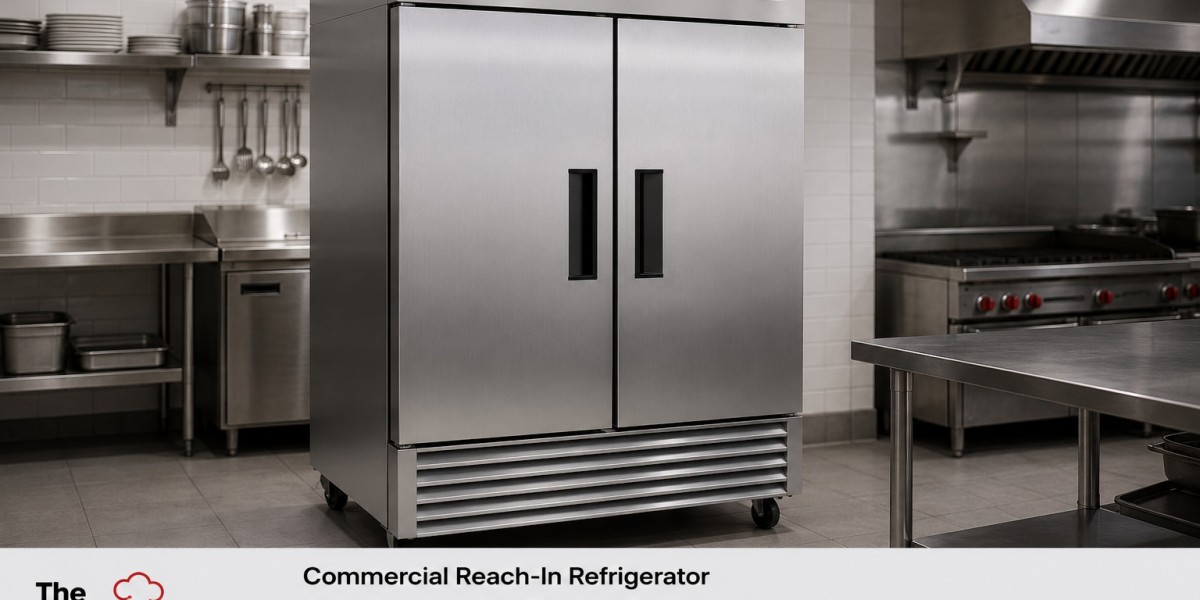


A restaurant refrigerator is one of the most essential pieces of equipment in any commercial kitchen. Whether you operate a restaurant, café, hotel, bakery, food truck, or catering business, investing in the right restaurant refrigerator helps keep ingredients fresh, maintain food safety, and improve kitchen efficiency.
From storing fresh produce and dairy products to preserving meat, seafood, and prepared meals, a high-quality restaurant refrigerator ensures your business runs smoothly while meeting health and safety standards.
In this guide, we'll explain everything you need to know about choosing the best restaurant refrigerator, including types, features, sizing, maintenance, and buying tips.
What Is a Restaurant Refrigerator?
A restaurant refrigerator is a commercial refrigeration unit specifically designed for foodservice businesses. Unlike residential refrigerators, a restaurant refrigerator is built to withstand constant use, frequent door openings, and the demanding conditions of a commercial kitchen.
Commercial refrigerators feature powerful compressors, durable stainless steel construction, larger storage capacities, and precise temperature controls to keep food at safe storage temperatures.
Why Every Commercial Kitchen Needs a Restaurant Refrigerator
A reliable restaurant refrigerator offers several benefits:
- Keeps perishable ingredients fresh for longer
- Maintains safe food storage temperatures
- Reduces food waste
- Improves kitchen organization
- Supports health code compliance
- Increases operational efficiency
- Helps preserve food quality and flavor
Without a dependable restaurant refrigerator, restaurants risk food spoilage, higher operating costs, and potential health violations.
Types of Restaurant Refrigerators
Choosing the right restaurant refrigerator depends on your kitchen layout and storage requirements.
1. Reach-In Restaurant Refrigerator
A reach-in restaurant refrigerator is the most common option for restaurants. Available in one-door, two-door, and three-door models, these refrigerators provide easy access to frequently used ingredients.
Best for:
- Restaurants
- Cafés
- Hotels
- Bakeries
2. Undercounter Restaurant Refrigerator
An undercounter restaurant refrigerator fits beneath worktables, saving valuable kitchen space while keeping ingredients within easy reach.
Ideal for:
- Coffee shops
- Bars
- Small kitchens
- Prep stations
3. Worktop Restaurant Refrigerator
A worktop restaurant refrigerator combines refrigerated storage with a stainless steel preparation surface, making it perfect for busy commercial kitchens.
Best for:
- Sandwich stations
- Pizza shops
- Salad preparation
- Quick-service restaurants
4. Display Restaurant Refrigerator
Display refrigerators feature glass doors that showcase beverages, desserts, salads, and grab-and-go foods while keeping them properly chilled.
Perfect for:
- Cafés
- Bakeries
- Convenience stores
- Supermarkets
5. Walk-In Restaurant Refrigerator
A walk-in restaurant refrigerator provides maximum storage capacity for high-volume operations. Restaurants that purchase ingredients in bulk often rely on walk-in refrigeration systems.
Suitable for:
- Hotels
- Large restaurants
- Hospitals
- Catering businesses
Key Features to Look for in a Restaurant Refrigerator
When purchasing a restaurant refrigerator, consider the following features.
Stainless Steel Construction
Stainless steel is durable, corrosion-resistant, and easy to clean, making it ideal for commercial kitchens.
Energy Efficiency
Choose ENERGY STAR® certified models to reduce electricity costs while maintaining reliable performance.
Digital Temperature Controls
Modern restaurant refrigerators include digital controls for precise temperature monitoring and easy adjustments.
Adjustable Shelving
Flexible shelving allows you to organize ingredients efficiently and maximize storage space.
Self-Closing Doors
Self-closing doors help reduce cold air loss and improve energy efficiency during busy service hours.
Heavy-Duty Compressor
A powerful compressor ensures consistent cooling even during frequent door openings.
How to Choose the Right Restaurant Refrigerator
Before buying a restaurant refrigerator, ask yourself these questions:
What Size Do You Need?
Consider:
- Available kitchen space
- Daily food volume
- Number of employees
- Future business growth
A small café may only require a single-door restaurant refrigerator, while a hotel kitchen may need multiple reach-in units or a walk-in refrigerator.
What Will You Store?
Different foods have different storage requirements.
Examples include:
- Fresh vegetables
- Dairy products
- Meat
- Seafood
- Prepared meals
- Beverages
- Desserts
Choose a restaurant refrigerator with enough capacity and shelving to accommodate your inventory.
Does It Meet Health Standards?
Commercial refrigerators should maintain temperatures between 34°F and 40°F (1°C–4°C) to keep food safe and comply with food safety regulations.
Benefits of Investing in a Quality Restaurant Refrigerator
A premium restaurant refrigerator offers long-term advantages:
- Longer equipment lifespan
- Lower maintenance costs
- Better temperature consistency
- Improved food safety
- Reduced food waste
- Lower energy bills
- Increased productivity
Although a quality restaurant refrigerator may require a larger upfront investment, it often delivers significant savings over time.
Restaurant Refrigerator Maintenance Tips
Proper maintenance helps extend the life of your restaurant refrigerator.
Clean Condenser Coils
Dust and grease reduce cooling efficiency. Clean condenser coils regularly according to the manufacturer's recommendations.
Check Door Gaskets
Damaged door seals allow cold air to escape, forcing the refrigerator to work harder.
Monitor Temperature
Check temperatures daily to ensure safe food storage.
Keep Air Vents Clear
Avoid blocking air circulation inside the restaurant refrigerator, as this can create uneven cooling.
Schedule Preventive Maintenance
Professional servicing helps identify potential problems before they become costly repairs.
Common Mistakes When Buying a Restaurant Refrigerator
Avoid these common purchasing mistakes:
- Choosing the wrong size
- Ignoring energy efficiency ratings
- Buying based only on price
- Overlooking warranty coverage
- Failing to measure available kitchen space
- Selecting insufficient storage capacity
- Not considering future business expansion
Taking time to evaluate your needs ensures you choose the right restaurant refrigerator for your operation.
New vs. Used Restaurant Refrigerator
Many business owners compare new and used equipment before making a purchase.
New Restaurant Refrigerator
Advantages:
- Manufacturer warranty
- Latest energy-efficient technology
- Longer lifespan
- Lower maintenance requirements
Used Restaurant Refrigerator
Advantages:
- Lower purchase cost
- Faster return on investment
- Good option for startups with limited budgets
Always inspect a used restaurant refrigerator carefully and verify its condition before purchasing.
Final Thoughts
A dependable restaurant refrigerator is one of the most important investments for any foodservice business. From protecting food quality and reducing waste to improving kitchen efficiency and ensuring food safety, the right restaurant refrigerator supports every aspect of daily restaurant operations.
Whether you're opening a new restaurant or upgrading your existing kitchen, choose a restaurant refrigerator that matches your storage needs, available space, and long-term business goals. Investing in high-quality commercial refrigeration today can help your business operate more efficiently for years to come.









