

Skin is the body's largest organ, and keeping it healthy requires more than just good habits. For clinicians, aestheticians, and wound care specialists, having access to the right derma medical supplies can directly influence patient outcomes, treatment precision, and overall care quality.
The global dermatology market continues to expand at a remarkable pace. According to Grand View Research, the dermatology devices market alone was valued at over $14 billion in 2023 and is projected to grow significantly through 2030. Behind that growth lies an equally expanding demand for reliable, high-quality dermatology supplies that support everything from routine skin assessments to advanced aesthetic procedures.
Whether you run a dermatology clinic, operate a medical aesthetics center, or manage procurement for a hospital, understanding what derma medical supplies include, how to evaluate them, and where the industry is heading gives you a real competitive edge.
What Are Derma Medical Supplies?
Derma medical supplies refer to the broad range of tools, consumables, instruments, and products that healthcare professionals use to diagnose, treat, and manage skin-related conditions. These products serve both medical and cosmetic dermatology purposes, spanning wound care, skin disease management, cosmetic procedures, and surgical interventions.
The term covers everything from simple sterile gloves and skin cleansers to specialized biopsy punches, cryotherapy equipment, and professional-grade topical formulations. Essentially, any product that a skin health professional uses in a clinical or aesthetic setting falls under this category.
It is worth noting that derma medical supplies differ significantly from over-the-counter skincare products. Medical-grade supplies undergo stricter regulatory oversight, often require FDA clearance or CE marking, and are designed for professional use to ensure both safety and efficacy.
Core Categories of Dermatology Supplies
Wound Care and Skin Barrier Products
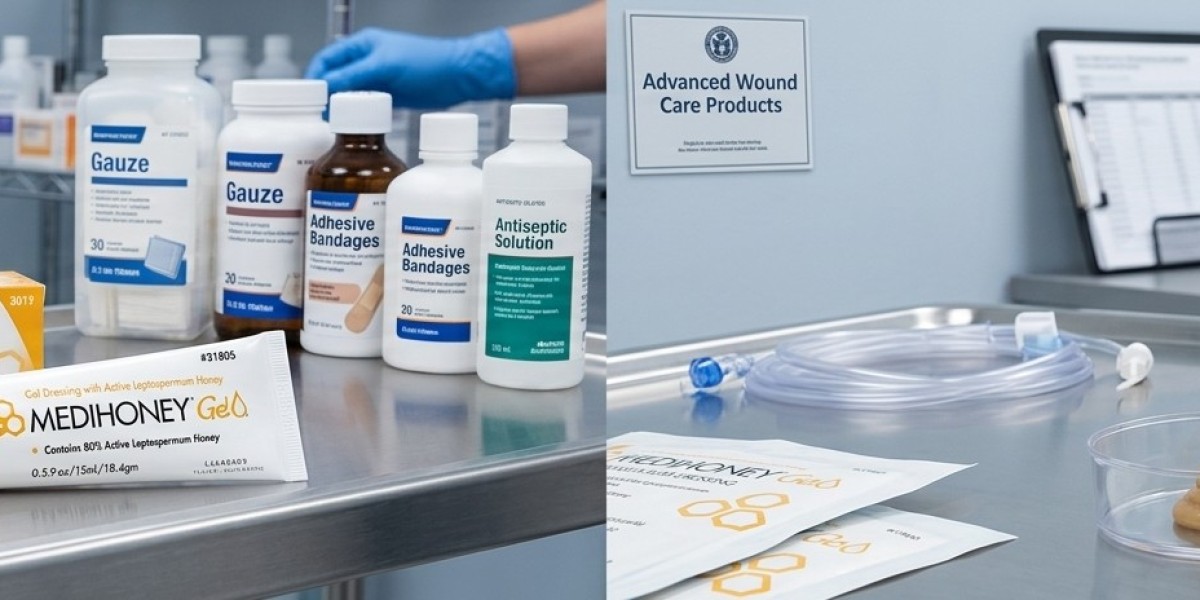
Wound care represents one of the largest segments within derma medical supplies. Practitioners regularly rely on a range of sterile dressings, hydrocolloid bandages, foam dressings, and antimicrobial wound covers to manage acute and chronic skin wounds effectively.
Skin barrier products, including protective creams, ostomy barriers, and moisture-wicking dressings, play a critical role in preventing skin breakdown in vulnerable patients. Brands like 3M, Mölnlycke, and Smith+Nephew have established strong reputations in this space by offering clinically validated wound management solutions that meet international standards.
Advanced wound care products such as collagen dressings, negative pressure wound therapy systems, and bioengineered skin substitutes are also gaining traction in clinical dermatology settings, particularly for treating diabetic ulcers and post-surgical sites.
Diagnostic and Procedural Instruments
Beyond consumables, dermatology clinics depend heavily on precision instruments to perform accurate diagnoses and minimally invasive procedures. Dermatoscopes, for example, allow clinicians to examine skin lesions in fine detail, improving early detection of melanoma and other skin cancers.
Biopsy punches, curettes, cryotherapy devices, electrosurgical units, and comedone extractors all fall under procedural dermatological equipment. Each of these tools demands consistent quality because imprecision can directly impact clinical outcomes.
For aesthetic procedures, supplies like micro-needling pens, dermal filler application kits, laser handpieces, and chemical peel applicators are equally essential. Aesthetic clinics that invest in high-caliber supplies tend to deliver more consistent results and build stronger patient trust over time.
How to Choose the Right Derma Medical Supplies
Selecting the right dermatology supplies involves more than comparing prices on a catalogue. Several critical factors influence the decision, and practitioners who overlook them often face preventable complications down the line.
Regulatory compliance should sit at the top of your evaluation checklist. Always verify that the products carry appropriate regulatory approvals such as FDA 510(k) clearance in the United States or CE marking in Europe. Suppliers who transparently share regulatory documentation are almost always more reliable.
Sterility and shelf life matter enormously for wound care consumables and single-use instruments. Always check manufacturing dates, expiration timelines, and storage requirements before purchasing in bulk. A cost-saving bulk purchase that compromises sterility ends up being far more expensive in the long run.
Clinical evidence and peer support add another layer of confidence. Look for supplies backed by published clinical studies or endorsed by recognized dermatological bodies such as the American Academy of Dermatology (AAD) or the British Association of Dermatologists. When a product carries that kind of professional endorsement, you already know it has been tested under real clinical conditions.
Finally, consider the supplier's reliability and after-sales support. A trustworthy medical supply distributor offers consistent stock availability, transparent pricing, and responsive customer service. Delays in supply chains can directly disrupt patient care schedules, which is something no clinic can afford.
Top Features to Look For in Quality Skin Care Medical Products
Practitioners across specialties consistently prioritize a few key characteristics when evaluating derma medical supplies for their practice.
- Hypoallergenic materials: Products that minimize allergic reactions are especially important when dealing with sensitive or compromised skin.
- Sterile packaging integrity: Double-barrier or blister packaging protects consumables from contamination during storage and transport.
- Ease of application: Instruments and dressings designed for ergonomic use reduce practitioner fatigue and improve procedural accuracy.
- Compatibility with other products: Some wound dressings and topical agents interact poorly with certain skin preparations, so compatibility testing matters.
- Documented clinical outcomes: Supplies supported by outcome data help practitioners justify clinical decisions to patients and insurers alike.
Where Derma Supplies Are Used: Clinical vs. Aesthetic Settings
Understanding the context of use helps buyers make sharper procurement decisions. In clinical dermatology settings, the focus leans toward medical-grade wound care, biopsy instruments, phototherapy equipment, and pharmaceutical-grade topical treatments. Hospitals, outpatient dermatology centers, and wound care units operate under strict clinical protocols, which means supply choices must align with those standards.
Aesthetic clinics, on the other hand, prioritize different products. Micro-needling devices, hyaluronic acid filler kits, chemical peel solutions, LED therapy equipment, and skin rejuvenation consumables dominate purchasing decisions in this environment. The aesthetic sector also tends to move faster when adopting new technologies, making supplier relationships with innovative manufacturers especially valuable.
Some facilities serve both markets, operating as hybrid dermatology and aesthetics centers. These practices require a broader and more diverse supply portfolio, which makes having a single, well-stocked dermatology supply distributor a significant operational advantage.
Trends Shaping the Dermatology Supply Industry in 2025
Several exciting shifts are redefining what derma medical supplies look like and how they are sourced. Biotech-driven wound care, for instance, is introducing living cell therapies and growth factor-enhanced dressings that accelerate healing in ways traditional products simply cannot match.
Sustainability is also gaining serious attention. Many clinics now actively seek eco-friendly packaging, recyclable instruments, and suppliers who demonstrate responsible manufacturing practices. This shift reflects both regulatory pressure and genuine practitioner concern for environmental impact.
Digital procurement platforms are streamlining how clinics order dermatology supplies. Instead of managing relationships with multiple distributors, many practices now use integrated procurement software that tracks inventory, flags reorder thresholds, and connects directly with verified suppliers. This reduces waste, lowers administrative burden, and ensures supply continuity.
Personalized skincare formulation is another frontier. Compounding pharmacies and specialized labs are now producing customized topical treatments tailored to individual patient skin profiles, and these formulations are increasingly entering the professional supply chain as a recognized product category.
Frequently Asked Questions (FAQs)
1. What is the difference between medical-grade and over-the-counter derma supplies?
Medical-grade derma supplies undergo rigorous clinical testing, carry regulatory approvals, and are formulated or designed for professional use. Over-the-counter products are intended for general consumer use and typically contain lower concentrations of active ingredients.
2. How do I verify that a derma medical supply product is FDA-approved?
You can check the FDA's 510(k) database or the FDA product registration database directly on the FDA website. Legitimate suppliers will also provide documentation upon request.
3. Can aesthetic clinics use the same supplies as clinical dermatology practices?
Some supplies overlap, but clinical dermatology practices often require sterile surgical-grade instruments and prescription-only topical agents that aesthetic clinics may not need or be authorized to use.
4. How often should dermatology clinics review their supply inventory?
Most well-managed clinics conduct monthly inventory audits and work with suppliers who offer automatic reorder systems to prevent stockouts during high-demand periods.
5. Are sustainable derma medical supplies as effective as conventional ones?
In most cases, yes. Many eco-friendly wound dressings and recyclable instruments now meet the same clinical performance standards as their conventional counterparts, particularly from established manufacturers investing in green product lines.
6. What certifications should I look for in a derma medical supply distributor?
Look for ISO 13485 certification, which indicates quality management systems for medical devices, along with FDA registration and adherence to Good Distribution Practice (GDP) guidelines.
7. Are there subscription or bulk purchasing options for dermatology supplies?
Many major distributors offer volume discounts, subscription-based reordering, and contract pricing for clinics that commit to regular purchasing. These arrangements often include dedicated account managers and priority delivery.








