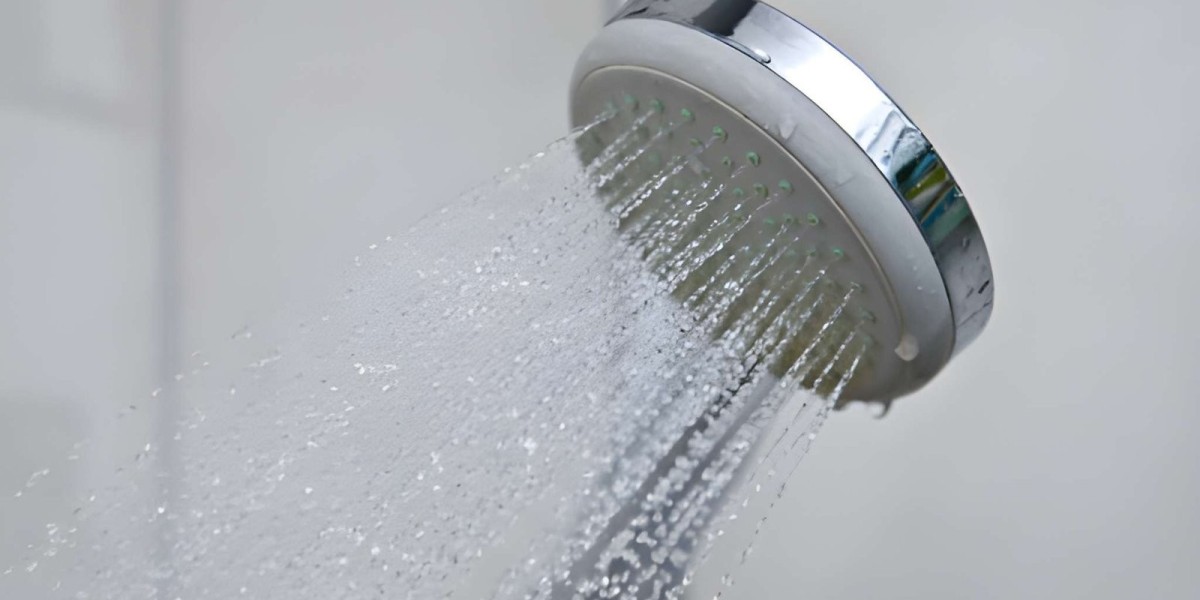


Water quality can have a noticeable effect on your daily shower experience. In many parts of the UK, households deal with hard water, while treated mains water also contains chlorine used for disinfection. A quality shower filter can help reduce chlorine and certain impurities, making shower water feel cleaner and more comfortable. However, it is important to understand the difference between reducing chlorine and actually softening hard water.
Why Use a Shower Filter in the UK?
Chlorine is commonly used to disinfect public water supplies. Some people find that chlorinated shower water leaves their skin feeling dry or their hair feeling dull after washing.
A shower filter designed for chlorine reduction can help address this concern. NSF/ANSI 177 is the recognized standard specifically covering shower filtration systems designed to reduce free available chlorine.
For households in hard-water areas, filtration can be particularly appealing because chlorine and mineral deposits can contribute to an unpleasant shower experience.
Can a Shower Filter Remove Limescale?
This is an important distinction. Limescale is primarily caused by calcium and magnesium in hard water. A standard shower filter should not be treated as a complete water softener.
Some shower-filter products claim to reduce or minimise the effects of limescale, but their performance varies considerably. If your main problem is heavy limescale throughout your home, a dedicated water-softening system may be more appropriate than relying solely on a shower filter.
A shower filter can still be useful for reducing chlorine and other targeted impurities while a separate solution addresses water hardness.
Look for Chlorine Reduction
If dry-feeling skin, dull hair, or a noticeable chlorine smell are your main concerns, prioritise a filter with clear chlorine-reduction performance.
For example, the Philips AWP1775 uses NSF-certified KDF media and is designed to remove residual chlorine and impurities such as rust and sediment. Philips lists a flow rate of 8 litres per minute for the model.
When comparing products, look for independently verified claims rather than choosing a filter simply because it advertises multiple filtration stages.
Choose the Right Filtration Media
Different shower filters use different filtration technologies. Common media include KDF, activated carbon, calcium sulphite, and combinations of several materials.
KDF is widely used in shower filtration because it is designed to work with warm water. Some products combine KDF with other media to target chlorine, sediment, and additional impurities.
However, more filtration stages do not automatically mean better performance. The actual testing and certification of the product are more useful indicators.
Consider Your Water Hardness
UK water hardness varies significantly by region. If you frequently see white deposits around taps, shower screens, and showerheads, your home may have hard water.
Before buying a filter, determine whether your main concern is chlorine, hardness, or both. If chlorine is the priority, a certified shower filter may be suitable. If severe limescale is the main issue, consider combining shower filtration with an appropriate water-softening system.
Check Filter Life
Filter cartridges eventually need replacement. The replacement period depends on the filter design, water quality, household size, and amount of water used.
For a family, a higher-capacity filter can be more convenient because it may require fewer replacements. Always check the manufacturer's recommended replacement schedule and the cost of replacement cartridges before purchasing.
Maintain Good Water Pressure
A shower filter should provide effective filtration without making your shower uncomfortable. Check the filter's rated flow rate before buying, particularly if your home already has low water pressure.
Inline filters are a popular option because they can be installed between the shower arm and an existing showerhead. This allows you to keep your preferred showerhead while adding filtration.
Easy Installation
Many shower filters are designed for simple installation without major plumbing work. This makes them suitable for homeowners and renters alike.
Before purchasing, check the connection type and make sure it is compatible with your existing shower system. Also consider how easy it is to remove and replace the cartridge when maintenance is required.
Consider a UK-Specific Option
Some products are specifically marketed for UK homes and hard-water conditions. For example, Blue Oasis offers a UK rain shower head and filter designed to reduce chlorine, limescale, heavy metals, and other impurities.
When considering any product, review the exact performance claims, testing information, replacement requirements, and warranty rather than relying solely on general statements about hard water.
Benefits for Skin and Hair
Reducing chlorine may make shower water feel more comfortable for people who experience dryness after showering. Some users also report that filtered water leaves their hair feeling softer or easier to manage.
However, individual results vary, and a shower filter should not be considered a treatment for a medical skin or hair condition.
Final Thoughts
A shower filter can be a practical choice for UK households looking to reduce chlorine and improve the overall feel of shower water. If you live in a hard-water area, filtration may also help reduce some of the unpleasant effects associated with impurities and mineral-rich water.
The most important point is to understand the difference between chlorine filtration and water softening. Choose a filter with verified chlorine-reduction performance, suitable flow, a practical filter life, easy installation, and affordable replacement cartridges.
For serious limescale problems, consider a dedicated water-softening solution alongside shower filtration. This approach allows you to address both chlorine and hard-water concerns more effectively.









