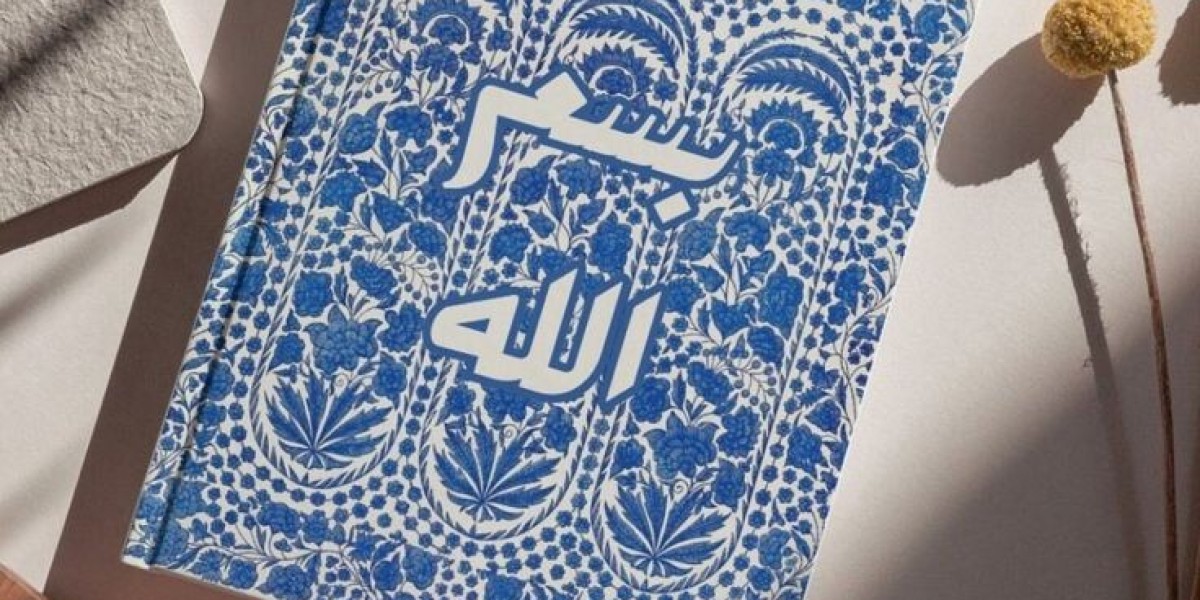


Walk into any gift shop during a religious celebration, and you'll find the same predictable lineup: boxes of sweets, greeting cards, decorative items that gather dust within a week. These gifts have their place, but they rarely leave a lasting impression. They're consumed, displayed briefly, or set aside without much thought. Islamic gift books, on the other hand, offer something entirely different — a present that continues to give value long after the occasion has passed.
If you've ever struggled to think beyond the usual gift-giving formula, it's worth reconsidering why books deserve a bigger place in that lineup.
The Problem With Conventional Gifts
Sweets are enjoyed and forgotten within days. Greeting cards, however heartfelt, often end up in a drawer or recycling bin shortly after being read. Decorative items can feel like clutter rather than meaningful additions to someone's life. None of this makes these gifts bad choices — they're easy, familiar, and low-risk. But they rarely reflect real thought, and they rarely leave a lasting impression.
This is where Islamic gift books stand apart. A book doesn't disappear after one use. It sits on a shelf, gets picked up again during quiet moments, and often becomes part of someone's ongoing routine — whether that's daily reflection, bedtime reading with children, or reference material returned to again and again.
Books Offer Depth That Sweets and Cards Simply Can't
A card might express good wishes in a sentence or two. A box of sweets offers a brief moment of enjoyment. A book, by contrast, offers depth — pages of reflection, guidance, or storytelling that unfold over days, weeks, or even years. This depth is what makes Islamic gift books feel less like a fleeting gesture and more like a genuine investment in someone's growth, whether spiritual, emotional, or intellectual.
For many recipients, a thoughtfully chosen book communicates something cards and sweets never quite manage: that the giver understood something meaningful about who they are or what they might need.
A Gift That Keeps Giving Value
One of the most practical advantages of Islamic gift books is their reusability. Unlike sweets that vanish after being eaten, a book can be:
Reread multiple times, often revealing new insights with each pass
Referenced for years, especially books on daily practice, dua collections, or Quranic study
Passed down to children or other family members, extending its impact well beyond the original recipient
Shared within a household, benefiting more than just the person it was originally gifted to
This kind of extended value is difficult to replicate with any other common gift category, making books a genuinely efficient choice in terms of long-term impact per dollar spent.
Books Show Thoughtfulness in a Way Generic Gifts Don't
Choosing the right book requires knowing something about the recipient — their interests, their current stage in life, or what kind of support they might need. This selectivity is exactly what makes a book feel personal rather than obligatory.
A box of sweets can be given to almost anyone without much thought. A specific, well-matched Islamic gift book, however, signals that the giver paid attention. Whether it's a Seerah biography for someone who loves storytelling, a reflection guide for someone going through a difficult season, or a children's storybook for a family with young kids, the act of selection itself communicates care.
Practical Advantages Over Traditional Gifts
Beyond the emotional and spiritual value, books offer a few practical benefits that make them a smart choice for gift-givers:
They fit any budget. From simple paperbacks to premium leather-bound editions, books are available at nearly every price point, unlike some gifts that require a minimum spend to feel appropriate.
They're appropriate across a wide range of occasions. The same book category — Seerah biographies, reflection guides, children's stories — can work for birthdays, religious holidays, weddings, or simple gestures of kindness.
They don't expire or spoil. Unlike sweets, which have a shelf life, a good book remains just as relevant a year after gifting as it was on day one.
They travel well. Books are easy to mail, pack, or hand-carry, making them practical for long-distance gifting or international occasions.
When Sweets and Cards Still Have Their Place
None of this means sweets and cards should disappear from gift-giving altogether. They're wonderful for adding warmth to a moment, especially when paired with something more substantial. A thoughtful approach often combines both — a small box of sweets alongside a carefully chosen book, or a heartfelt card tucked inside the first page. This pairing lets the immediate sweetness of a card or treat coexist with the long-term value of a book.
How to Make the Shift Toward Book Gifting
If you're used to defaulting to sweets or cards, transitioning toward Islamic gift books doesn't require a complete overhaul of your gift-giving habits. A few simple steps can help:
Start observing what the recipient already enjoys reading, even casually, to guide your book selection
Keep a mental list of go-to titles for different occasions, so you're not scrambling last minute
Pair books with a small traditional gift, like sweets or a handwritten note, to ease the transition
Prioritize quality translations and publishers, ensuring the book delivers real value once given
Over time, this shift often becomes second nature, and recipients tend to notice and appreciate the added thoughtfulness.
Frequently Asked Questions
Are books more expensive than typical gifts like sweets or cards? Not necessarily. Paperback and budget-friendly options are often comparable in price to boxes of sweets, while offering far more lasting value.
Is it appropriate to give a book instead of a card for a religious celebration? Yes. Many people now prefer books over cards specifically because they offer something more meaningful and reusable, rather than something read once and discarded.
Can I combine a book with a traditional gift like sweets? Absolutely. Pairing a book with a small treat or handwritten note is a popular approach that combines immediate warmth with long-term value.
What if I'm not sure what kind of book the recipient would enjoy? Widely appealing categories like Seerah biographies or reflection-based books tend to work well across different personalities and levels of religious practice, making them a safe yet meaningful choice.
Final Thoughts
While sweets and cards will always have a place in gift-giving traditions, Islamic gift books offer something those categories simply can't: lasting value, genuine thoughtfulness, and content that continues to enrich the recipient's life well beyond the moment of giving. For anyone looking to make their next gift feel more meaningful, choosing a well-selected book is a simple shift that leaves a far deeper impression than sweets or cards ever could.






