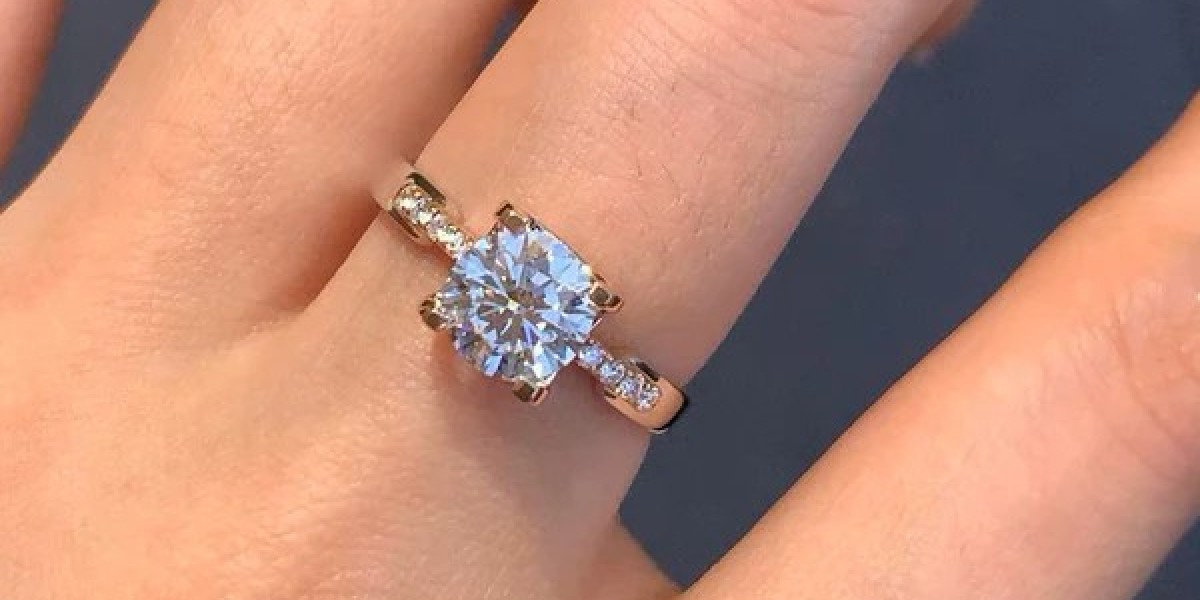


An engagement ring is one of those pieces of jewelry that carries both emotional meaning and long-term significance. It marks an important moment in a couple's life, but it is also something the wearer may enjoy every day for many years. Because of this, choosing the right ring involves more than finding an attractive diamond. The metal, setting, proportions, comfort, and overall character all deserve consideration.
Modern engagement-ring preferences have expanded considerably. Traditional single-metal designs remain popular, yet many couples are interested in styles that offer something slightly different. Two-tone designs are particularly appealing because they combine contrasting metal colors within one ring, creating depth without depending on excessive decoration.
The addition of a lab grown diamond gives couples another aspect to consider. These diamonds can be selected in various shapes, sizes, and grading characteristics, allowing buyers to focus on the qualities that best suit their preferences and budget. When placed within a carefully designed two-tone setting, the result can feel contemporary while retaining the classic symbolism of a diamond engagement ring.
The smart choice is not necessarily the most expensive or elaborate ring. Instead, it is a design that balances beauty, practicality, personal style, and long-term wearability. This is where two-tone engagement rings with lab grown diamonds can offer an interesting combination.
A Balanced Combination of Classic and Contemporary Design
One of the strongest qualities of a two-tone engagement ring is its ability to combine familiar jewelry traditions with a more modern appearance. Instead of using the same metal throughout the band and setting, designers can introduce a second tone to create contrast.
Warm gold paired with a white-toned metal is a popular example. The warmer metal can give the ring a traditional and romantic character, while the cooler metal can create a bright frame around the center diamond. Depending on the design, either tone can take the leading role.
This contrast can be subtle. A ring might feature a predominantly gold band with white-toned prongs surrounding the center stone. The difference may only become noticeable when the ring is viewed closely, giving the design a refined quality.
The advantage of this approach is that it provides additional character without requiring an excessive number of gemstones or decorative elements. A relatively simple solitaire can become distinctive through the use of two metals alone.
The concept also works with more elaborate settings. Halo designs, three-stone arrangements, pavé bands, and sculpted settings can all incorporate mixed metals. The result depends on how the designer balances the center diamond with the surrounding details.
The Advantages of Choosing a Lab Grown Diamond
The center diamond is usually the focal point of an engagement ring, so its characteristics should be considered carefully. Lab grown diamonds have become an increasingly recognized option for couples who want to explore different possibilities when selecting their center stone.
Lab grown diamonds are produced through advanced technological processes that recreate conditions under which diamonds develop. They have the same fundamental crystal structure and chemical composition as diamonds formed naturally, which allows them to be used in many of the same jewelry designs.
One of the advantages for shoppers is the variety available. Diamonds can differ considerably in shape, cut, color, clarity, and carat weight. These characteristics work together to determine the stone's appearance, so selecting a diamond should involve more than focusing on its size.
The right shape depends on the wearer's preferences and how the diamond works with the setting. For example, a delicate oval diamond may look particularly elegant with a slender mixed-metal band, while a larger emerald-cut stone may suit a more structured design.
For couples comparing different styles, they can see more options of two tone engagement rings lab grown diamonds and consider how different diamond shapes, metal combinations, and settings affect the overall appearance.
Why Versatility Makes This Style a Practical Choice
Two-tone designs can be particularly versatile because they work with different jewelry colors. Someone who regularly changes accessories does not necessarily need to worry about whether their engagement ring matches every piece. The combination of two metals gives the ring a natural connection to both warm and cool-toned jewelry.
This versatility can also help when personal preferences change. Jewelry styles can evolve over time. A person who prefers one metal today may become more interested in another later. A mixed-metal ring already incorporates more than one tone, giving it a degree of flexibility.
The design can also suit different clothing styles. A simple two-tone solitaire can look appropriate with casual clothing while remaining elegant enough for formal occasions. A more detailed halo or three-stone setting can make a stronger statement when paired with evening wear.
The setting should be selected with lifestyle in mind as well. Someone who frequently works with their hands may prefer a lower-profile design that sits closer to the finger. A person who enjoys statement jewelry may be comfortable with a larger center stone or a more elevated setting.
Band width is another practical consideration. A slender band can provide a delicate appearance, while a wider band may feel more substantial. The proportions should work with the center stone so that neither the diamond nor the band appears out of balance.
Choosing the Right Design for Long-Term Appeal
An engagement ring should ideally feel personal rather than simply fashionable. Trends can be useful for inspiration, but personal taste and long-term wearability should remain central to the decision. If they already mix different metals, a two-tone engagement ring may feel like a natural extension of their style. If their collection is mostly minimal, a simple mixed-metal solitaire may be more suitable than an elaborate design.
Diamond shape can also reveal something about personal preference. Round diamonds may appeal to someone who appreciates traditional elegance, while oval, pear, or marquise shapes can offer a more distinctive appearance. Emerald cuts may suit someone who prefers clean geometry and understated sophistication.
The setting should complement the chosen diamond rather than competing with it. A solitaire can allow the center stone to remain the clear focal point. A halo can provide additional brilliance, while a three-stone setting can give the ring greater visual presence.
The amount of metal contrast should also reflect the wearer's personality. A subtle difference between the metals can create an understated look, while a stronger division can make the ring feel more contemporary. It is worth examining the ring from different angles before making a final decision. The top view is important, but the side profile can reveal additional details such as the gallery, prongs, shoulders, and setting height.
A thoughtfully designed ring should feel complete from every direction. Even details that are not immediately visible can contribute to the overall quality of the piece. Budget should be approached in the same balanced way. Instead of focusing entirely on carat weight, couples can determine which elements matter most to them. They may prioritize diamond cut, a particular shape, metal combination, or setting style.
The Lasting Appeal of Mixed-Metal Diamond Jewelry
The growing interest in two-tone engagement rings reflects a wider movement toward personalization in jewelry. Modern couples have more opportunities to choose designs that align with their preferences rather than following a single traditional template.
Mixed-metal jewelry is particularly well positioned within this movement because it offers flexibility without sacrificing elegance. The two metals can be used in many different proportions, allowing designers to create pieces ranging from subtle and refined to bold and expressive.
Lab grown diamonds complement this flexibility by providing a broad range of choices in diamond shape and characteristics. Couples can focus on finding a stone that works with their desired setting rather than being restricted to one conventional style.
Together, these qualities make the combination particularly relevant to contemporary engagement jewelry. It offers an alternative to the standard single-metal ring while retaining the qualities that make diamond engagement rings so meaningful.
The metals should complement the diamond, the setting should suit the stone, and the proportions should work with the wearer's hand and lifestyle. When these elements are considered together, the result can be a ring that feels distinctive without appearing excessive.
Conclusion
Two-tone engagement rings featuring lab grown diamonds can be a smart choice for couples who want a balance of traditional symbolism and contemporary design. The combination of contrasting metals creates visual depth, while the diamond remains the central expression of brilliance and commitment.
The style also offers practical versatility. It can coordinate with jewelry made from different metals, work with a variety of wedding-band choices, and adapt to different personal styles. Whether the preferred design is a simple solitaire, an elegant halo, a three-stone arrangement, or a detailed pavé setting, the two-tone concept can be adapted accordingly.
Lab grown diamonds provide further flexibility by allowing couples to compare different shapes, cuts, sizes, colors, and clarity characteristics. Instead of treating the diamond and setting as separate decisions, buyers can consider them together to create a balanced final design.
Antiquecut represents this contemporary approach by bringing together lab grown diamonds and two-tone settings for couples interested in an alternative to conventional engagement-ring styles. Rather than following a single definition of what an engagement ring should be, couples can choose a design that feels authentic to their relationship and the person who will wear it.






