

Vijay Packing Company has worked in the packaging sector since 1972, supporting businesses that need practical protection for machinery, equipment, and commercial goods. Choosing industrial packaging depends on more than box size. Weight, product shape, handling, transportation distance, moisture exposure, and storage conditions all influence the right packaging structure. A nailless box, wooden crate, or plywood box can be selected according to these requirements. This guide explains the key considerations businesses should understand before sending valuable industrial products.
What Makes a Nailless Box Useful?
A nailless box is a wooden packaging solution constructed without relying on conventional nails for joining its main components. Depending on its design, suitable locking and joining techniques can create a secure enclosure while providing a relatively smooth internal surface.
This type of packaging can be considered for machinery parts, electrical equipment, manufactured components, and products where internal protection and organized packing are important.
When Should Businesses Choose Wooden Boxes?
A wooden box manufacturer generally considers the characteristics of the product before suggesting a packaging structure. Heavy machinery, delicate components, and irregularly shaped equipment may require different designs.
Important considerations include:
Weight and dimensions of the product
Product fragility
Centre of gravity
Loading and unloading methods
Storage duration
Transportation distance
Possibility of moisture exposure
Need for internal bracing
Stacking requirements
The purpose is to create packaging that supports the product without adding unnecessary material or restricting practical handling.
Understanding Plywood Packaging
Plywood is frequently used in industrial packaging because its panels provide a consistent surface and can be cut and assembled into different box dimensions. It can be suitable for equipment and goods that require enclosed protection during transportation.
A plywood box manufacturer in Noida may develop packaging according to the product's measurements, weight, handling requirements, and intended route. For longer journeys, additional protection may be considered to address environmental conditions.
Plywood packaging should not be selected simply because it looks sturdy. The thickness, construction, internal supports, and overall design should match the actual requirements of the shipment.
What Is Heavy Industrial Packaging?
Industrial machinery can place considerable stress on packaging during lifting, loading, transportation, and unloading. A heavy industrial packaging box supplier may therefore use reinforced wooden structures along with internal supports and suitable protective materials.
Depending on the product, packaging may include:
Reinforced wooden bases
Internal wooden supports
Bracing systems
Cushioning materials
Moisture barriers
VCI protection
Vacuumised protection
Suitable lifting arrangements
The appropriate combination depends on the equipment and its transportation environment. Packaging for a large machine may be very different from packaging for a sensitive electronic component.
How Transportation Changes Packaging Requirements?
Road transportation can expose packages to vibration, sudden braking, and repeated handling. Sea transportation can introduce prolonged moisture exposure, while air transportation has different weight and handling considerations.
For this reason, businesses should communicate the complete transportation plan before packaging begins. A box designed for short-distance movement may not provide the same level of protection required for an extended international shipment.
Sea-worthy and air-worthy packaging can be planned according to the specific conditions expected during transit.
Internal Protection Is Just as Important
A strong outer box cannot fully protect a product if the item can move freely inside. Internal fixation helps limit unwanted movement and reduces the chance of impact between the product and the packaging.
For machinery, wooden supports can be positioned around stable structural points. Fragile parts may require cushioning or additional protective layers. Corrosion-sensitive metal components may also need appropriate moisture or VCI protection.
Therefore, industrial packaging should be viewed as a complete system rather than simply an outer wooden shell.
What Should Businesses Check Before Packing?
Before selecting packaging, businesses can prepare basic product information such as dimensions, gross weight, lifting points, centre of gravity, fragility, and transportation method.
They should also consider whether the product will remain packed for an extended period. This can influence the need for moisture protection, ventilation, corrosion prevention, and stronger external construction.
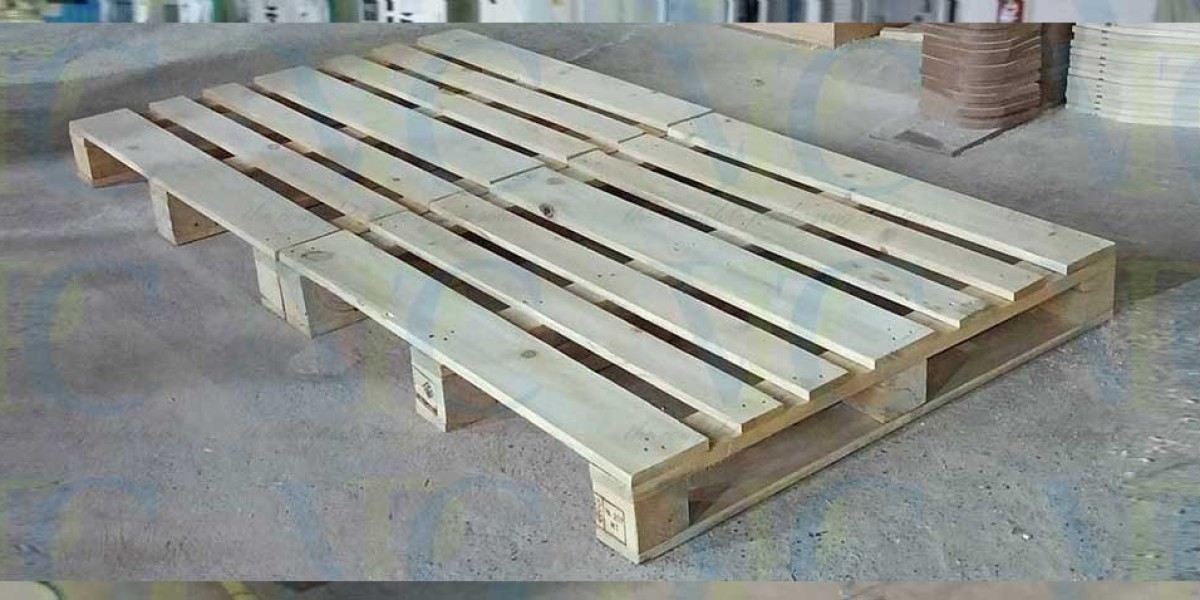
Vijay Packing Company provides wooden boxes, crates, pallets, heavy machinery packing, sea-worthy packing, air-worthy packing, VCI packing, vacuumised packaging, plant packing, and on-site packing services. Its experience in industrial packaging dates back to 1972.
Conclusion
Industrial packaging works best when it is planned around the product and its journey. Nailless boxes, wooden boxes, and plywood boxes can serve different purposes depending on weight, dimensions, handling, storage, and transportation conditions. Internal bracing, cushioning, and environmental protection can further improve product safety.
Vijay Packing Company has been serving packaging requirements since 1972. Its services include wooden and plywood boxes, crates, pallets, heavy machinery packing, sea-worthy and air-worthy packing, VCI packing, vacuumised packaging, and on-site packing. These options support businesses handling different types of industrial goods across various transportation requirements.