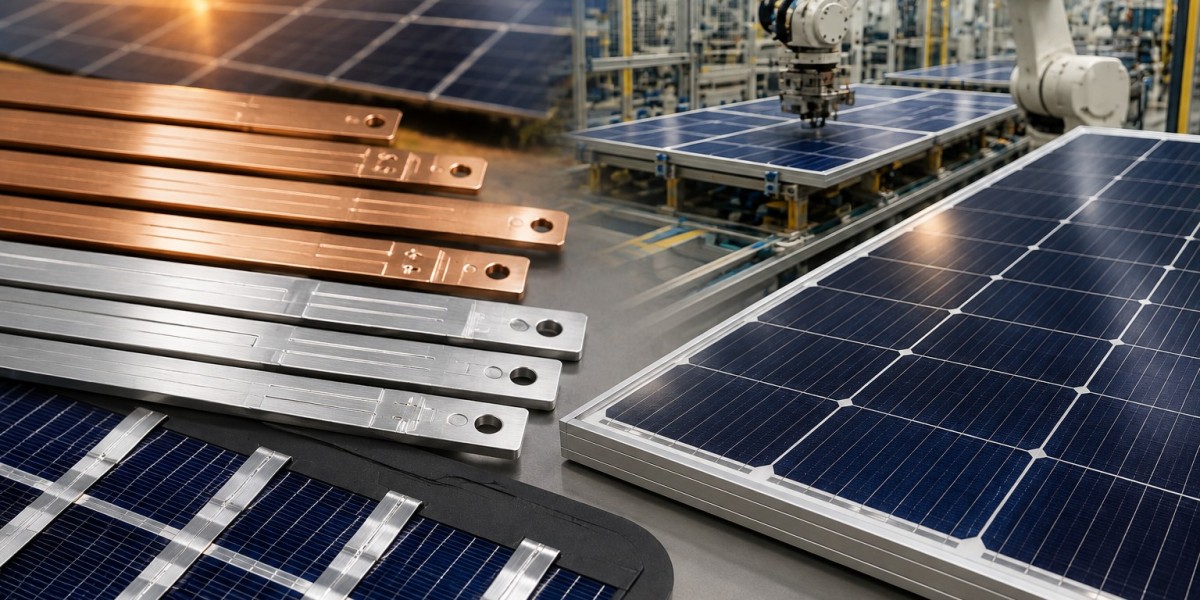


Photovoltaic modules operate outdoors for extended periods, so every material inside the module must tolerate sunlight, moisture, temperature variation, electrical stress, and mechanical loading. A dependable Solar backsheet manufacturer supplies rear protective films designed to provide electrical insulation, moisture protection, UV resistance, and weather resistance. At the same time, solar PV module components such as photovoltaic cells, encapsulants, glass, interconnections, junction boxes, and frames must be selected as a compatible system. The backsheet and encapsulation layers are particularly important because they protect sensitive electrical components from environmental exposure. Understanding material characteristics, manufacturing requirements, and application conditions helps module producers and procurement teams make technically sound purchasing decisions.
What is a solar backsheet?
A solar backsheet is a protective rear layer used in photovoltaic modules with backsheet-based construction. It is positioned behind the cells and encapsulation system and helps separate internal electrical components from external environmental conditions. A photovoltaic backsheet may consist of several polymer layers engineered for different functions, including mechanical protection, electrical insulation, moisture resistance, UV resistance, and adhesion. Common material families include polyester-based films, fluoropolymer-containing films, polyamide structures, and other engineered polymer combinations. The exact construction depends on the module architecture and expected operating environment. A suitable backsheet should retain its relevant mechanical and electrical properties during exposure to heat, humidity, sunlight, and repeated temperature changes.
What does a solar backsheet manufacturer do?
A Solar backsheet manufacturer develops and produces polymeric films or multilayer structures designed for photovoltaic module assembly. Manufacturing can include polymer preparation, film formation, coating, surface treatment, adhesive application, lamination, curing, slitting, and quality inspection. Each stage affects the final film's thickness, surface condition, dimensional stability, adhesion, and electrical properties. Manufacturers must maintain consistent production parameters because variation between rolls or batches can create problems during module lamination. Technical documentation should clearly identify material construction, recommended processing conditions, electrical characteristics, thermal properties, moisture behavior, and mechanical performance.
Why is a backsheet important in solar panels?
The solar panel backsheet helps protect internal electrical components against moisture, UV radiation, temperature fluctuations, contamination, and mechanical damage. Its electrical insulation function is particularly important because conductive components operate within the module and must remain appropriately isolated from the external environment. Moisture resistance helps reduce the possibility of water reaching sensitive electrical interfaces, while UV resistance helps limit polymer degradation caused by long-term sunlight exposure. Thermal stability is necessary because module materials repeatedly experience heating and cooling during normal operation. Weather resistance also matters when modules are installed in regions with intense sunlight, high humidity, rainfall, dust, or temperature extremes. Strong adhesion between backsheet layers and adjacent encapsulation materials further supports the integrity of the finished laminate.
What are the mechanical components of a solar PV module?
Mechanical components can include front glass, aluminum or other module frames where used, encapsulation layers, rear protective layers, junction box housings, and mounting interfaces. The front glass provides mechanical protection for the cell assembly and forms the main exposed surface on many module designs. A frame can increase structural rigidity and provide attachment points for installation. Encapsulation materials hold photovoltaic cells and interconnections in their intended positions while providing electrical isolation and environmental protection. The rear backsheet or rear glass protects the opposite side of the module.
How are solar PV module components assembled?
Solar module assembly generally involves connecting photovoltaic cells into strings, arranging them in the required electrical configuration, and positioning them between suitable encapsulation and protective layers. The encapsulant is placed between the cell structure and front and rear protective materials. Lamination then uses controlled heat, vacuum, and pressure to allow the encapsulant to flow around the cells and form adhesive interfaces. Proper process control helps limit voids, wrinkles, contamination, and incomplete curing. After lamination, manufacturers can install frames, junction boxes, cables, and other required components before conducting electrical and visual inspections.
How does PV module encapsulation protect photovoltaic cells?
PV module encapsulation provides several layers of protection around photovoltaic cells. A solar module encapsulant can provide electrical isolation, mechanical support, optical coupling, and protection from moisture and environmental contaminants. EVA and polyolefin-based encapsulation materials are among the polymer systems used in PV module construction, with the appropriate selection depending on module design and performance requirements. During lamination, the encapsulant flows around cell surfaces and interconnections before developing its final physical structure. Its adhesion to glass, backsheet, and other interfaces affects laminate integrity. Moisture resistance is particularly important because water exposure can contribute to corrosion and electrical degradation in sensitive areas.
Which properties are important when selecting solar backsheet materials?
Manufacturers should evaluate solar backsheet materials using properties that directly correspond to the intended module application. Important criteria include UV resistance, moisture resistance, electrical insulation, thermal stability, weather resistance, mechanical strength, adhesion strength, and hydrolysis resistance. A backsheet that performs well in a dry environment may require different characteristics from one intended for a hot and humid installation. Similarly, a module designed for demanding thermal conditions requires materials that can tolerate repeated temperature changes without excessive dimensional or mechanical degradation. Procurement teams should review technical data for tensile properties, elongation, dielectric performance, water-related properties, adhesion, thickness tolerance, and aging behavior.
How should solar module encapsulation materials be compared?
Different solar module encapsulants should be compared according to optical performance, electrical insulation, adhesion, moisture behavior, thermal stability, processing requirements, and long-term environmental resistance. EVA is commonly used because it can provide effective cell encapsulation and bonding when appropriately processed. Polyolefin-based encapsulants may be selected for module designs where specific moisture or electrical characteristics are required. However, no single material should be considered suitable for every module design without validation. The interaction between the encapsulant and backsheet can influence adhesion, moisture pathways, and interfacial stability. Manufacturers should therefore evaluate the complete material combination through relevant testing.
How does moisture resistance affect PV module durability?
Moisture is one of the important environmental factors considered during photovoltaic module material selection. Water can enter a module through material interfaces, edges, or permeable polymer layers, depending on the construction. If moisture reaches conductive components, it can contribute to corrosion and insulation-related problems. Backsheet film and encapsulation materials therefore need appropriate moisture barrier characteristics for the intended application. Hydrolysis resistance can also be relevant because certain polymer systems can experience chemical changes when heat and moisture act together over time. Good adhesion between layers reduces potential pathways for environmental ingress. For modules intended for humid or coastal environments, procurement teams should pay particular attention to water resistance, adhesion retention, environmental aging data, and compatibility between the PV backsheet and encapsulant.
How does UV and thermal resistance support solar module durability?
Solar modules experience prolonged exposure to ultraviolet radiation and repeated temperature changes throughout their operating life. UV radiation can affect polymer chains, surfaces, color, optical properties, and mechanical performance if a material is not appropriately formulated. Thermal cycling can create repeated expansion and contraction between materials with different coefficients of thermal expansion. A suitable photovoltaic backsheet should maintain important electrical and mechanical properties under these conditions. The encapsulant must similarly retain adequate adhesion, optical characteristics, and structural stability after thermal and UV exposure. Material selection should therefore consider both individual aging performance and interactions between layers.
How can procurement teams evaluate a Solar backsheet manufacturer?
Procurement teams should evaluate suppliers through technical specifications, production consistency, quality-control procedures, application experience, testing data, and material compatibility. Important questions include whether the supplier can maintain consistent thickness and surface quality, whether batch-level inspection is performed, and whether technical documentation clearly defines material properties and processing requirements. Buyers should review UV resistance, moisture resistance, electrical insulation, thermal stability, adhesion strength, hydrolysis resistance, and mechanical properties rather than relying only on basic product descriptions. It is also useful to examine how the backsheet performs with the intended encapsulant and lamination process.
Conclusion
A reliable solar backsheet manufacturer provides engineered rear protection that supports electrical insulation, moisture resistance, UV stability, and environmental durability. The backsheet must work effectively with encapsulation materials and other layers throughout manufacturing and outdoor operation. Different solar pv module components perform separate functions but must remain compatible within the completed photovoltaic structure. Backsheet materials should be evaluated for thermal stability, weather resistance, adhesion strength, hydrolysis resistance, and electrical performance. Encapsulation materials require careful assessment of optical, mechanical, electrical, moisture, thermal, and processing characteristics. Procurement decisions should be based on module design, environmental exposure, technical specifications, testing, and manufacturing consistency.