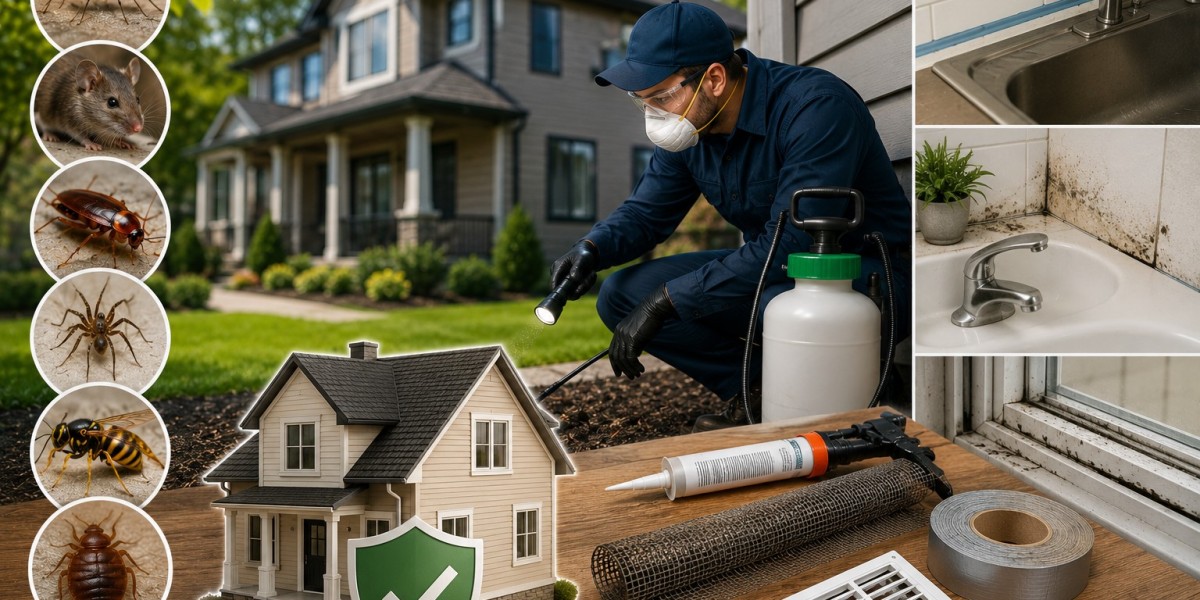


Ontario homeowners should watch for droppings, nests, or damage, then hire a licensed residential pest control provider for inspection, treatment, and quarterly prevention to stop pests from returning. Owning a home in Ontario means dealing with a wide range of household pests — some seasonal, some year-round, and all capable of turning into costly problems if left unaddressed. Whether it's carpenter ants damaging a deck, mice slipping into a basement before winter, or wasps nesting under the eaves, residential pest control isn't a one-time task — it's an ongoing part of home maintenance.
This guide breaks down what every Ontario homeowner should know: which pests are most common, how to recognize early warning signs, what professional residential pest control services actually involve, how often treatment is needed, and how to protect your home long-term without relying on guesswork or ineffective store-bought sprays.
Why Residential Pest Control Matters for Ontario Homeowners
A house is one of the largest investments most families make, and pests threaten that investment in more ways than one. Rodents chew through wiring and insulation, creating fire hazards and costly repairs. Carpenter ants and termites weaken wood structures over time. Cockroaches and mice can trigger allergies and asthma, particularly in children. Bed bugs disrupt sleep and cause significant stress. And an untreated wasp nest near an entryway is a genuine safety risk for anyone with a sting allergy.
Regular, professional residential pest control isn't just about reacting to a problem — it's about protecting your family's health, your property value, and your peace of mind before small issues become expensive ones.
Common Household Pests Ontario Homeowners Deal With
Ants
Ants enter homes searching for food and moisture, often through tiny cracks around foundations, windows, and doors. Carpenter ants are particularly concerning because they tunnel through damp or damaged wood to build nests, which can compromise structural elements over time if left untreated.
Cockroaches
Cockroaches thrive in warm, humid environments — kitchens, bathrooms, and basements are common hotspots. They reproduce quickly, contaminate food surfaces, and are linked to allergy and asthma triggers, making early cockroach control especially important in homes with children.
Rodents (Mice & Rats)
Mice and rats can squeeze through gaps as small as a coin and tend to move indoors as temperatures drop in fall and winter. Beyond property damage, rodents can contaminate food and surfaces and carry disease, which is why prompt rodent control matters as soon as droppings or gnaw marks are spotted.
Bed Bugs
Bed bugs are hitchhiking insects that travel via luggage, secondhand furniture, and clothing. They don't indicate poor hygiene — any home can be affected — but they require targeted professional treatment since store-bought sprays rarely reach eggs hidden in seams and crevices.
Wasps & Hornets
Wasp nests often appear in eaves, sheds, and wall voids during warmer months. Removing a nest without training is genuinely risky, which is why wasp and hornet control is best left to a professional with proper protective equipment.
Spiders and Other Occasional Invaders
Spiders, silverfish, earwigs, and centipedes are usually a sign of a broader insect population nearby, since many of these species feed on other household bugs. Addressing the underlying insect activity often resolves spider sightings as well.
Signs You Need Residential Pest Control Services
Not every pest problem is obvious right away. Watch for these common indicators:
Droppings near baseboards, in cupboards, or along walls (a strong sign of rodent activity)
Gnaw marks on wood, wiring, or food packaging
Nests or webbing in corners, attics, sheds, or wall voids
Unusual odours, particularly musty or greasy smells along frequently used pest pathways
Visible insects, especially during the day when many pests are normally nocturnal
Damaged wood or small piles of sawdust near structural beams (a sign of carpenter ants or wood-boring insects)
Bites or skin irritation without a clear cause, which can point to bed bugs or fleas
If you notice more than one of these signs, it's worth booking a professional inspection rather than waiting to see if the problem resolves on its own — most infestations grow quickly rather than staying contained.
DIY vs. Professional Residential Pest Control
Store-bought sprays, traps, and baits can help with very minor, isolated pest sightings, but they have real limitations:
They typically treat what's visible, not the source of the infestation (nests, colonies, or egg clusters hidden in walls and crevices)
Overuse or improper application can create resistant pest populations over time
Some do-it-yourself products, if misused, pose health risks to children and pets
They rarely address the entry points that let pests back in
Professional residential pest control providers use targeted, Health Canada–approved products, identify and seal entry points, and follow up to confirm the problem is actually resolved — not just temporarily reduced. For anything beyond a single, isolated pest sighting, professional treatment is almost always more effective and, over time, more cost-efficient than repeated DIY attempts.
What Professional Residential Pest Control Involves
A proper residential pest control service generally follows four stages:
1. Inspection — A technician examines your property, inside and out, to identify the pest species, locate nests or entry points, and assess the extent of the problem.
2. Identification — Correct identification matters because treatment methods differ significantly between, say, carpenter ants and odorous house ants, or German cockroaches and American cockroaches.
3. Targeted Treatment — Using registered, Health Canada–approved products and methods suited to the specific pest and location (baiting for rodents, targeted sprays or gels for insects, heat or chemical treatment for bed bugs), the technician treats both visible activity and known hiding spots.
4. Prevention & Follow-Up — Sealing entry points, offering exclusion advice, and scheduling a follow-up visit to confirm the infestation hasn't returned. This step is where many DIY efforts fall short, since prevention is just as important as the initial treatment.
How Often Should a Home Have Pest Control?
This depends on your home's history and location, but general guidelines include:
Quarterly (seasonal) treatments for ongoing prevention — this is the most common recommendation for homes in wooded, rural, or pest-prone areas, since it addresses ants and wasps in spring/summer and rodents in fall/winter
Annual inspections for homes with no active pest history, simply to catch early warning signs
One-time targeted treatment for isolated issues like a single wasp nest or an early-stage ant problem
Immediate professional response for bed bugs, given how quickly they spread and how difficult they are to eliminate without professional-grade treatment
Homes near ravines, wooded lots, or older housing stock with more cracks and gaps generally benefit from more frequent monitoring than newer, well-sealed construction.
Prevention Tips: Protecting Your Home Long-Term
Prevention is consistently more effective — and more affordable — than treating an established infestation. Health Canada's household pest guidance recommends focusing on the basics: eliminating food and water sources, sealing entry points, and reducing clutter where pests can hide. In practice, that means:
Seal cracks and gaps around foundations, utility lines, and window/door frames with caulk or expandable foam
Store food in sealed containers and clean up crumbs and spills promptly, especially in kitchens and pantries
Fix leaks quickly — standing water and excess moisture attract cockroaches, ants, and rodents alike
Keep firewood and mulch away from the foundation, since both create ideal harbourage for insects and rodents
Trim tree branches and shrubs away from the roofline to limit access points for ants and wasps
Declutter storage areas like basements, attics, and garages where pests can hide undisturbed
Install door sweeps and repair damaged screens to block common entry points
Choosing a Residential Pest Control Company: A Quick Checklist
When comparing providers, look for:
Licensing and insurance — technicians should be certified under Ontario's pesticide regulations
Clear, written treatment plans rather than vague promises
Eco-friendly and family-safe product options, particularly important for homes with children or pets
Transparent pricing with no pressure to commit to unnecessary long-term contracts
Follow-up visits included, not treated as a separate upsell
Positive, verifiable customer reviews and a track record across different pest types
Frequently Asked Questions
How much does residential pest control cost in Ontario?
Costs vary depending on the pest type, severity of infestation, and whether it's a one-time treatment or an ongoing seasonal plan. Most providers offer a free or low-cost inspection to assess the situation before quoting a price.
Is residential pest control safe for children and pets?
Reputable providers use Health Canada–registered products applied according to label directions, and many offer eco-friendly or low-toxicity options specifically suited to households with children and pets.
Can I prevent pests without hiring a professional?
Basic prevention — sealing entry points, managing food storage, and reducing moisture — can meaningfully reduce risk. However, once pests are established indoors, professional treatment is usually needed to fully resolve the problem rather than just suppress visible activity.
What's the difference between residential and commercial pest control?
Residential pest control focuses on homes, condos, and townhouses, addressing pests common to living spaces. Commercial pest control covers larger-scale properties like warehouses, restaurants, and retail spaces, often with additional compliance and health-inspection requirements.
Do I need pest control if I haven't seen any pests?
Many infestations, particularly rodents and carpenter ants, are active for weeks before becoming visibly obvious. An annual inspection can catch early signs before they turn into a larger, more expensive problem.
The Bottom Line
Residential pest control is most effective when it's proactive rather than reactive. Knowing the early warning signs, understanding what a proper treatment plan involves, and keeping up with basic prevention habits will save Ontario homeowners both money and stress over the long run.
If you're noticing early signs of pest activity in your home, Pest Troopers' residential pest control services provide licensed inspection, targeted treatment, and ongoing prevention plans for homeowners across Ontario. For a deeper look at how different pests behave and why infestations happen in the first place, see our complete guide to tackling pest problems in Canadian homes.








