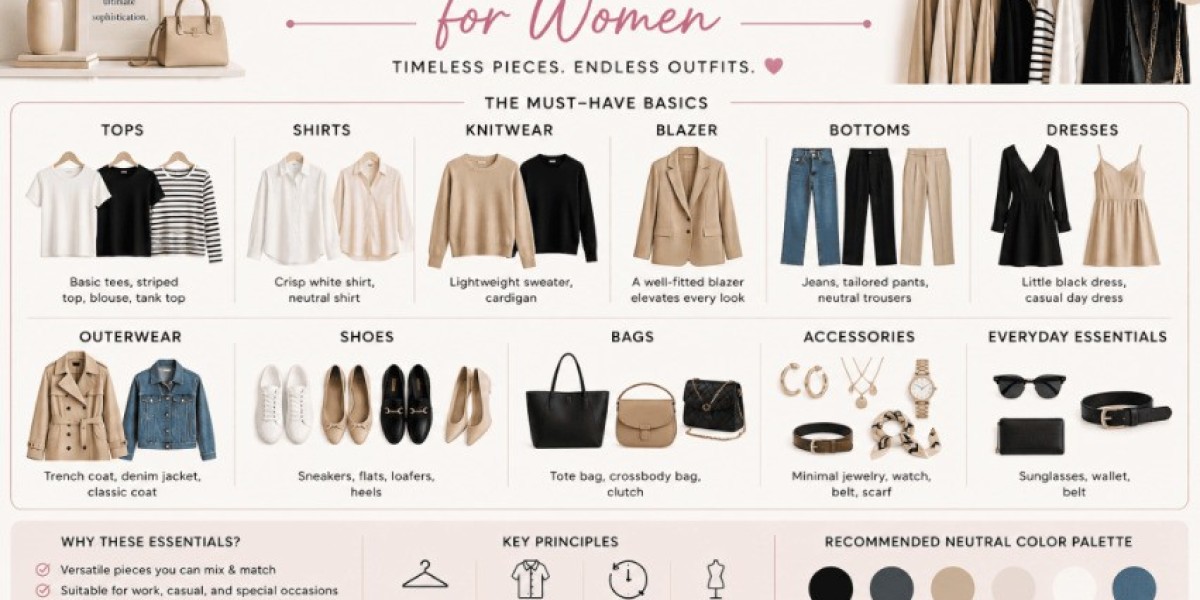


Building a stylish wardrobe does not mean filling your closet with endless clothing, seasonal trends, or pieces that only work for one particular outfit. A thoughtfully planned wardrobe can give you more outfit choices while actually containing fewer garments, provided that the pieces are versatile, comfortable, and easy to combine. A capsule wardrobe checklist can be especially helpful when you are starting this process because it allows you to consider every important clothing category before making new purchases. Begin by looking at your lifestyle and identifying the types of outfits you wear most frequently, whether that means casual everyday clothing, professional workwear, comfortable home outfits, travel clothing, evening looks, or a combination of several categories. Your wardrobe should be based on your real activities rather than an imaginary lifestyle that requires clothing you rarely wear. Basic T-shirts, versatile shirts, well-fitting jeans, tailored trousers, skirts, dresses, sweaters, cardigans, jackets, coats, comfortable footwear, and useful accessories can form the foundation of a practical collection. Color coordination is also important because clothing in complementary shades can be combined much more easily. Neutral colors such as black, white, cream, beige, gray, navy, brown, and denim create a dependable foundation, while brighter colors, prints, and statement pieces can be added to reflect individual personality. The goal is to make getting dressed easier by ensuring that the majority of your clothes work together rather than requiring you to build every outfit around one specific garment.
A successful wardrobe should be designed around your individual lifestyle, which means there is no single formula that will work perfectly for everyone. A capsule wardrobe essentials list can provide inspiration, but it should always be adjusted according to your work environment, climate, hobbies, social activities, personal style, and everyday routine. Someone who works in a corporate office may need several blazers, formal trousers, button-down shirts, dresses, skirts, and professional shoes, while someone who works remotely may need more comfortable trousers, relaxed shirts, sweaters, and casual footwear. Someone who travels regularly might prioritize lightweight fabrics, comfortable shoes, wrinkle-resistant clothing, and layers that can be worn in different combinations, while someone who frequently attends social events may want a greater selection of polished dresses, elegant separates, and accessories. Think about the occasions you experience during a normal month and identify the clothing that helps you feel prepared for them. It is also useful to consider how frequently you do laundry because someone who washes clothes once a week may need more everyday basics than someone who does laundry several times during the week. Your climate matters as well, since hot weather may require breathable fabrics and lightweight layers, whereas colder conditions can make warm sweaters, coats, boots, scarves, and thermal layers more important. By adapting your wardrobe to your actual circumstances, you can avoid purchasing items simply because they appear on generic fashion lists and instead create a collection that genuinely supports your everyday life.
Tops and bottoms form the core of most wardrobes, so choosing these pieces carefully can dramatically increase the number of outfits available to you. When developing your capsule wardrobe checklist, consider selecting a balanced collection of basic T-shirts, long-sleeve tops, button-down shirts, blouses, sweaters, and other tops that suit your preferred style, along with several versatile bottoms such as jeans, tailored trousers, casual pants, skirts, or shorts. A well-fitting pair of jeans can become one of the hardest-working pieces in your closet because it can be styled with a simple T-shirt and sneakers for a relaxed look, a blouse and loafers for a polished outfit, or a sweater and boots for cooler weather. Similarly, a neutral button-down shirt can be worn with jeans, trousers, skirts, or layered beneath knitwear and jackets. The important thing is to select garments that can be combined with several other pieces rather than purchasing clothing that only works as part of one predetermined outfit. Consider the proportions and silhouettes in your wardrobe as well. If you prefer fitted tops, you may want a mixture of relaxed and structured bottoms to create visual balance, while those who prefer oversized clothing may benefit from having a few more streamlined pieces for contrast. Comfort should always be considered alongside appearance because clothing that restricts movement, requires constant adjustment, or feels unpleasant against the skin is unlikely to become a favorite. Choosing fabrics that suit your climate and activities can also make a significant difference. Cotton, linen, lightweight knits, denim, wool, and other fabrics each have different benefits, so select materials according to how and where you intend to wear them.
Layering pieces and outerwear can make a smaller wardrobe much more adaptable because they allow you to modify outfits according to temperature, occasion, and personal style. A useful capsule wardrobe essentials list should therefore consider versatile layers such as blazers, cardigans, denim jackets, lightweight jackets, trench coats, structured coats, sweaters, and other outerwear appropriate for your climate. These pieces can completely change the appearance of basic clothing while also extending the number of seasons in which individual garments can be worn. For example, a simple dress can be styled with a denim jacket and sneakers for a casual daytime outfit, paired with a cardigan and flats for a comfortable look, or worn with a blazer and dressier shoes for a more sophisticated occasion. Jeans and a T-shirt can also be transformed with a tailored blazer, loafers, and a structured bag, making the same basic pieces suitable for settings that require a more polished appearance. When selecting outerwear, prioritize versatility rather than simply choosing the latest trend. A classic jacket in a neutral color may coordinate with dozens of outfits and remain useful for years, while a highly distinctive seasonal piece may work with only a small portion of your wardrobe. Consider the temperatures you experience throughout the year and select layers accordingly. Warm climates may call for lightweight jackets, breathable overshirts, linen layers, and thin cardigans, while colder environments may require insulated coats, wool sweaters, heavier jackets, scarves, and gloves. Having the right layers can also reduce the need to purchase separate outfits for every small change in temperature because existing clothing can be adapted instead.
Footwear and accessories are equally important when creating a practical wardrobe because they can determine how comfortable an outfit is and can dramatically alter its overall appearance. A thoughtful capsule wardrobe checklist may include everyday sneakers, comfortable flats or loafers, versatile boots, sandals when suitable for the season, and one or two dressier options depending on your lifestyle. You do not need every possible type of shoe; instead, focus on footwear that serves genuine purposes in your daily routine. A pair of comfortable sneakers may work for casual outfits, walking, travel, and everyday errands, while loafers can provide a polished alternative for work and social occasions. Boots can be useful during cooler weather, while sandals can become an important option in warmer climates. Neutral colors such as black, brown, tan, white, or beige can make a smaller footwear collection more versatile because they tend to coordinate with many clothing colors. Accessories can provide additional variety without requiring you to buy large quantities of clothing. A belt can change the silhouette of a dress, trousers, or oversized shirt, while a scarf can introduce color, texture, or pattern to a simple outfit. Handbags can range from practical everyday totes to smaller structured bags for special occasions, while watches, sunglasses, earrings, necklaces, and other jewelry can help establish a recognizable personal style. Instead of collecting accessories simply because they are fashionable, choose pieces that you genuinely enjoy and can wear repeatedly. Practical considerations such as comfort, durability, storage, and ease of maintenance should also influence your decisions, particularly when choosing shoes and bags that you expect to use frequently.
Before purchasing new clothing, take time to evaluate your existing wardrobe because this can prevent unnecessary spending and reveal exactly what you need. Your capsule wardrobe essentials list can act as a reference while you examine your closet and identify which categories are already well represented and which ones have genuine gaps. Start by removing everything from your wardrobe or reviewing each category individually, then consider whether every piece still fits, feels comfortable, suits your current lifestyle, and works with other garments you own. Pay particular attention to the clothes you repeatedly choose because they provide useful information about your true preferences. You may discover that you consistently wear neutral colors, prefer relaxed silhouettes, choose trousers more frequently than skirts, or reach for lightweight layers instead of heavy sweaters. These observations can help guide future purchases far more effectively than temporary fashion trends. Items that are damaged, uncomfortable, poorly fitting, or consistently ignored can be considered for repair, donation, resale, recycling, or removal, depending on their condition and usefulness. However, creating a capsule wardrobe does not mean that every unusual garment must disappear. Sentimental clothing, formalwear, statement pieces, holiday outfits, and other occasional items can still have a legitimate place in your overall wardrobe if they serve a purpose. The key is to distinguish between clothing that has genuine value and clothing that remains in your closet simply because you have not decided what to do with it. Once you understand what you already own, create a shopping plan based on specific gaps rather than vague feelings that you need more clothes. This approach encourages more intentional purchasing and helps ensure that every new garment has a meaningful role.
Ultimately, the purpose of a capsule wardrobe is to create simplicity without sacrificing personal style, comfort, or variety. The most successful wardrobe is not necessarily the one containing the fewest items, but the one in which the clothing you own is useful, coordinated, comfortable, and appropriate for your real life. Use your capsule wardrobe checklist when preparing for a new season, organizing your closet, planning a shopping trip, or deciding whether a new purchase will genuinely improve your existing collection. Revisit your wardrobe periodically because your needs can change as your job, schedule, climate, hobbies, travel habits, or personal style develops. Seasonal rotation can help keep your closet manageable by moving heavy winter garments out of the main wardrobe during warm months and bringing lightweight summer pieces back when temperatures rise. You can also maintain a simple repair and replacement system so that frequently worn clothing remains in good condition rather than being replaced unnecessarily. A flexible capsule wardrobe essentials list can continue to guide these decisions while leaving room for individuality and changing fashion preferences. Do not be afraid to include colors you love, distinctive accessories, interesting patterns, or statement pieces simply because they are not traditional wardrobe basics. The most important thing is that these pieces work within your overall collection and make you feel confident. With thoughtful planning, a balanced selection of basics, versatile layers, practical footwear, carefully chosen accessories, and regular wardrobe editing, it is possible to create countless outfit combinations without constantly buying new clothes. A well-designed capsule wardrobe ultimately saves time, reduces closet clutter, encourages more thoughtful








