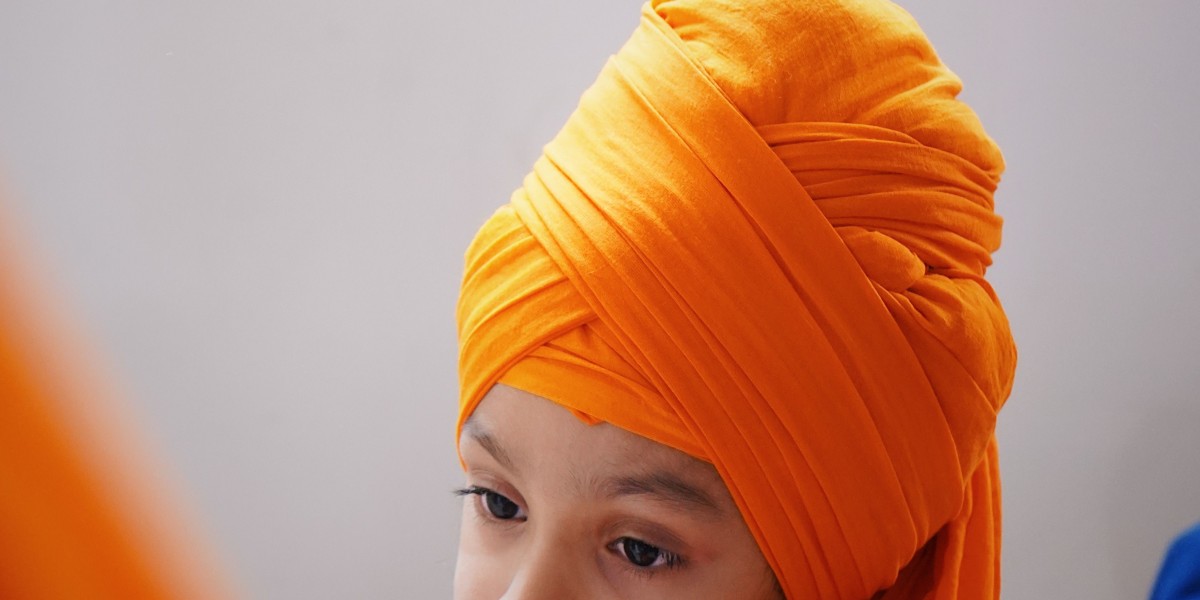


Ask ten people which turban cloth is best and you will get ten answers, most of them ending in "it comes down to personal choice." That is true, and it is also not much help when you are standing over a shelf of folded cloth trying to decide. The more useful version is that three fabrics cover almost everyone, and the right one depends on your climate, how you tie, and the look you are after. Here is how they actually differ, and which one I would reach for in each situation.
What actually changes between materials?
Three things separate one turban cloth from another: how tightly it is woven, how much it weighs, and how it drapes. A dense, medium-heavy weave like Rubia grips against itself and stands up into a defined shape. A fine, light weave like Mal Mal lets air pass straight through and falls soft. Full Voile sits between the two. Almost everything people care about, breathability, how hard the cloth is to control, whether it holds a sharp patti, traces back to those three properties. Once you can feel weight and weave in your hand, the fabric names start to matter a lot less than the cloth itself.
Voile, rubia and mal mal side by side
Most guides describe these three in separate paragraphs and leave you to hold the comparison in your head. It is easier to see them lined up.
Rubia | Full Voile | Mal Mal (F74) | |
Weight | Dense, medium-heavy | Medium, light | Finest, lightest |
Breathability | Lower | High | Highest |
Grip when tying | Firm, holds its place | Good all-rounder | Soft, can slip |
Shape it holds | Crisp and defined | Balanced | Soft drape |
Durability | Highest | Moderate to good | Most delicate |
Best suited to | Formal, sharp looks | Everyday wear | Hot days, beginners, kids |
Read across the rows and the trade-off is clear. Rubia gives you structure and lifespan at the cost of coolness. Mal Mal gives you comfort and airflow but asks for gentle handling. Full Voile does most things well without being the best at any single one, which is why it is the default for so many people. You can see all three weaves in our turban collection if you want to compare them by eye before choosing.
Which cloth suits a hot, humid climate?
In an Australian summer, breathability outranks almost everything else. A cloth that traps heat against your head becomes uncomfortable within an hour, and no colour choice fixes a weave that will not let air move. Full Voile and Mal Mal are the clear picks here because their looser weave breathes, dries quickly after a sweat, and stays light through a long day. Rubia still has a place in cooler months or for a formal event where you want the structure, but it runs warm. One thing worth checking on any listing is that the cloth is pure cotton rather than a cotton-poly blend, since synthetic threads hold heat and undo the point of a breathable weave.
Which is easiest for a first turban?
The learning curve rarely gets mentioned, and it should. Full Voile is the most forgiving cloth to learn on because it grips lightly and holds a wrap while you fix the next one, so an uneven larh is easy to correct. Mal Mal feels lovely but slides around before you have the technique to manage it, which makes a full dastaar frustrating early on. Rubia holds its position well, but its firmness shows every mistake, so a wobbly wrap looks wobbly. For a first adult turban I would start with Full Voile. For children, a pre-cut patka removes the tying problem entirely while they get used to keeping their head covered. If you want the fabric decision broken down further, our guide on choosing the right turban material goes deeper on each weave.
What holds a crisp, defined shape?
If you like a sharp, pointed patti and clean lines, Rubia is built for it. The denser weave takes an edge and keeps it through the day, especially with a light starch or maaya to set the folds. Full Voile will hold a neat shape too, just softer, and it responds well to a small amount of starch if you want more definition without the weight. Mal Mal is the opposite intention: it drapes soft and rounded, which suits layered and voluminous styles rather than a knife-edge patti. Folding the cloth down to a narrower pooni also tightens the look on any fabric, so shape is partly weave and partly how you prepare it. The honest trade-off is that the crisper the cloth, the warmer it tends to wear.
Matching the cloth to the occasion
Pulling it together, the best fabric really is the one that matches what you are doing with it. For daily wear in a warm climate, Full Voile is the sensible default, breathable enough for the commute and easy to tie in a hurry. On the hottest days, or for a child, lean to Mal Mal for airflow and softness. For a formal event, a sardari look, or any time you want a defined patti, Rubia earns its keep. Weddings sit either way: a rich Rubia for structure, or a fresh voile in a strong colour if comfort through a long day matters more. Heavier dumalla styles usually favour lighter cloth so the volume does not become a weight on your head.
There is no single winner, but there is a right answer for your situation, and it is worth getting because the turban is worn with intention rather than as an afterthought. If you know your climate and the look you want, the cloth chooses itself. When you are ready to feel the difference between them, the full range of turbans is a good place to begin.







