

Introduction
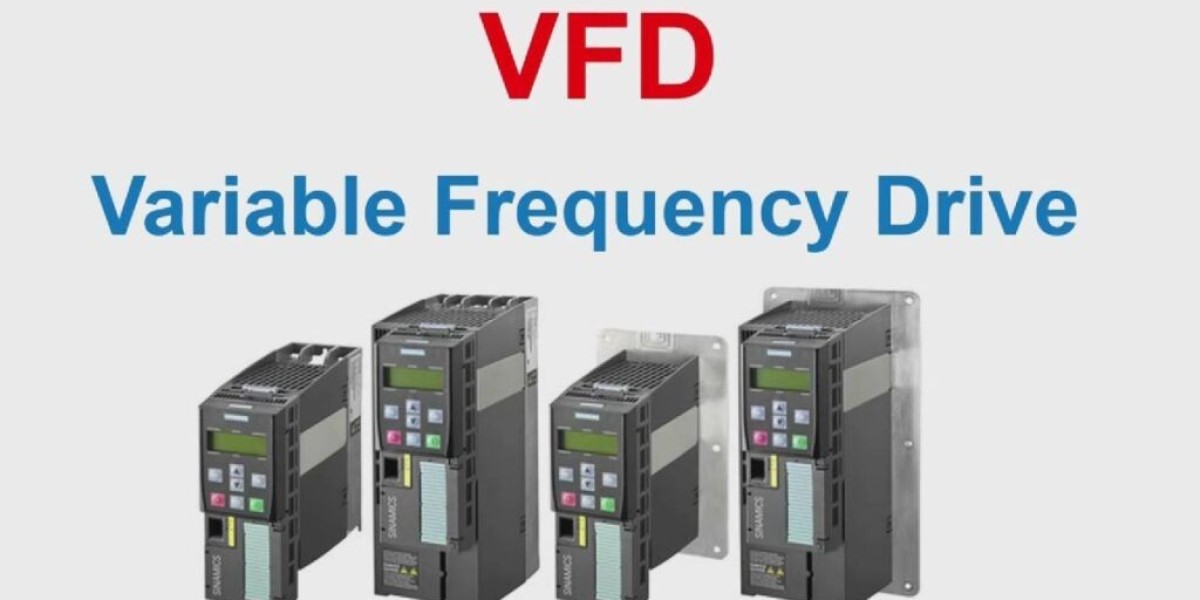
The Variable Frequency Drive (VFD) Market Dynamics are shaped by the interaction of industrial demand, technological advancement, energy-efficiency objectives, and changing operational requirements. VFDs provide variable-speed control for electric motors by adjusting the frequency and voltage supplied to them, enabling equipment to respond more precisely to process conditions.

As industries modernize their electrical infrastructure, VFDs are increasingly being integrated into automated production systems, HVAC equipment, pumping applications, and process machinery. At the same time, developments in connectivity and power electronics are changing expectations for drive functionality.
Rising Demand for Energy Optimization
Energy management remains one of the strongest forces influencing VFD adoption. Industrial motors can consume considerable electricity, particularly when operating continuously under variable-load conditions.
VFDs can regulate motor speed according to actual demand, allowing suitable applications to avoid unnecessary full-speed operation. This capability makes variable-speed technology attractive to organizations seeking improved energy performance.
The growing emphasis on operational efficiency is therefore supporting demand for modern drive systems.
Industrial Automation Reshaping Demand
Automation is changing the requirements for motor-control equipment. Production lines increasingly need accurate speed regulation, synchronized machinery, and automated adjustments.
VFDs can communicate with controllers and automation platforms, enabling motor operation to be coordinated with broader production processes.
This dynamic is particularly important in manufacturing, material handling, packaging, and process industries where motor performance directly affects productivity and product consistency.
Digital Connectivity Becoming More Important
The VFD landscape is moving toward greater connectivity. Modern drives increasingly offer communication capabilities that allow them to interact with industrial networks and monitoring systems.
Connected VFDs can provide information about operating status, load conditions, faults, and other performance parameters. This enables operators to gain greater visibility into motor-driven equipment.
Digital connectivity is therefore becoming an important factor in product selection and system design.
Growth of Predictive Maintenance
The shift from reactive maintenance toward predictive and condition-based approaches is influencing VFD development.
Advanced drives can provide diagnostic information that may help identify unusual operating conditions. When combined with sensors and industrial analytics, drive data can contribute to equipment-health monitoring.
This creates opportunities for VFDs to become part of wider asset-management and maintenance strategies rather than functioning solely as speed-control devices.
Technological Innovation Changing Product Capabilities
Continuous technological development is another important market dynamic. Manufacturers are improving VFDs through advanced control algorithms, compact architectures, enhanced protection, improved diagnostics, and broader motor compatibility.
Product development is increasingly focused on delivering multiple capabilities within a single drive system.
Key areas of innovation include:
- Intelligent control functions
- Enhanced communication capabilities
- Compact and modular designs
- Improved diagnostic features
- Advanced motor-control algorithms
- Regenerative drive technologies
These developments are expanding the potential applications of VFDs.
HVAC Applications Creating Consistent Demand
The HVAC sector continues to influence VFD market dynamics. Commercial buildings, industrial facilities, hospitals, and other large structures require efficient control of fans and pumps.
Operating requirements can change throughout the day, making variable-speed control valuable for many HVAC systems. Integration with building-management platforms can further improve automated control.
The expansion of energy-efficient and smart-building projects is consequently creating additional opportunities.
Water Infrastructure Supporting Adoption
Water and wastewater facilities depend extensively on pumps, creating demand for reliable and flexible motor-control solutions.
Flow and pressure requirements can vary significantly depending on system conditions. VFDs can adjust pump speed to support changing requirements and provide greater operational flexibility.
Infrastructure upgrades and modernization projects are therefore contributing to the broader demand environment.
Retrofit Opportunities in Existing Facilities
The replacement of aging motor-control equipment is another important market dynamic. Many industrial facilities operate machinery installed years ago, creating opportunities to introduce modern VFD systems through retrofit projects.
A VFD can provide improved speed control and automation capabilities while allowing existing motor-driven equipment to be upgraded.
Retrofit demand can therefore complement new-equipment installations and broaden the market opportunity.
Factors Influencing Product Selection
Customers increasingly evaluate VFDs based on multiple factors rather than speed-control functionality alone.
Important considerations can include:
- Energy performance
- Reliability
- Installation requirements
- Communication capabilities
- Motor compatibility
- Diagnostics
- Maintenance requirements
- Total operating cost
This is encouraging manufacturers to develop solutions that address complete application requirements rather than focusing on a single performance characteristic.
Sustainability Influencing Industrial Investments
Sustainability objectives are increasingly influencing technology decisions. Organizations are looking for ways to reduce energy use while maintaining productivity and equipment reliability.
VFDs can contribute to these objectives by supporting controlled motor operation in suitable applications. As sustainability becomes more closely connected with energy management, variable-speed technologies may receive greater attention in industrial modernization projects.
Conclusion
The Variable Frequency Drive (VFD) Market Dynamics demonstrate a transition toward more efficient, automated, connected, and intelligent motor-control systems. Energy optimization, industrial automation, digital connectivity, predictive maintenance, HVAC applications, water infrastructure, and retrofit opportunities are all influencing market development.
As industries continue modernizing their electrical and automation systems, VFDs are expected to evolve from conventional speed-control devices into increasingly integrated components of intelligent industrial environments.






