

Examining the Technology Foundation
Modern vehicles contain a growing number of electronic systems designed to improve safety, efficiency, and driver awareness. Tire pressure monitoring is one of these technologies, providing information about inflation conditions that may otherwise remain unnoticed until a problem becomes significant.
The basic objective is straightforward: identify changes in tire pressure and communicate useful information to the driver or vehicle system. Achieving that objective, however, requires reliable sensing, communication, electronic processing, and clear information presentation.
Different technical approaches have emerged, with each offering advantages depending on vehicle architecture, application requirements, and cost considerations.
Direct Monitoring Technology
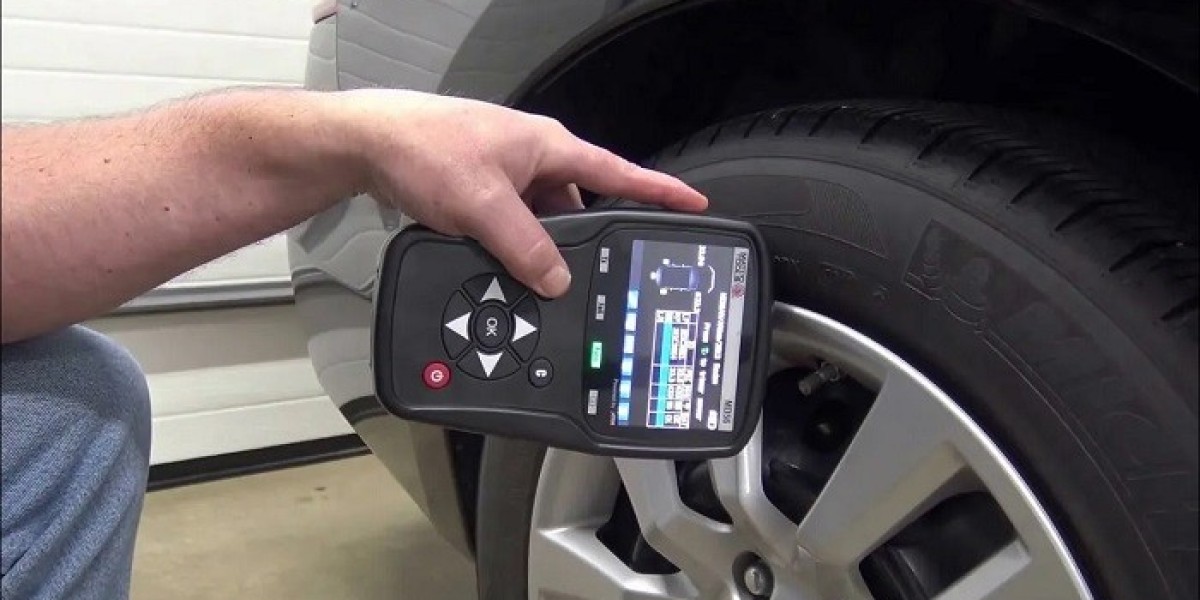
Direct systems generally rely on pressure sensors associated with individual tires. These sensors can measure inflation levels and communicate the information to the vehicle.
One advantage is the ability to provide tire-specific information. If one tire experiences a pressure change, the system can help identify the affected location.
However, direct systems involve additional hardware. Sensors may require power sources and eventual replacement, while installation and servicing can add complexity.
Manufacturers must therefore balance measurement capability against component costs and maintenance requirements.
Indirect Monitoring Approaches
Indirect systems generally use existing vehicle information, such as wheel-speed behavior, to identify changes associated with tire pressure differences.
Because these systems can rely on components already present in the vehicle, they may reduce the need for dedicated pressure sensors.
Their performance depends on the vehicle's electronic architecture and the software used to interpret wheel behavior. Calibration and system design therefore play an important role.
The availability of different approaches allows automakers to select technologies according to vehicle requirements and cost targets.
Passenger Vehicle Applications
Passenger cars represent an important application because tire monitoring contributes to everyday driver awareness.
A warning can encourage drivers to inspect tire conditions before continuing a journey. This is particularly useful when pressure loss occurs gradually and does not produce an obvious visual change.
Modern digital instrument clusters can also provide clearer information than traditional warning lights. Drivers may receive an indication of the affected tire or additional instructions depending on the vehicle design.
This integration makes monitoring technology increasingly visible within the everyday driving experience.
Commercial Transportation Requires Greater Visibility
Commercial vehicles introduce additional operational considerations. Trucks, buses, delivery vehicles, and fleet-operated cars may travel extensive distances and experience different loads throughout their working schedules.
Tire-related problems can create downtime, delays, and unexpected expenses. For this reason, commercial operators may place strong emphasis on continuous monitoring and centralized information.
When connected to fleet software, tire data can potentially be reviewed alongside vehicle location, maintenance records, mileage, and operating schedules.
This can help transform tire monitoring into a broader fleet management tool.
Electric Vehicles Change Performance Considerations
Electric vehicles are adding new reasons to pay attention to tire pressure. Because EV efficiency is closely associated with energy consumption, rolling resistance becomes particularly relevant.
Incorrect tire pressure can influence resistance and driving characteristics. Monitoring can help drivers remain aware of inflation conditions and respond when adjustments are required.
EV manufacturers are also building highly integrated digital platforms. Tire information can be incorporated into the same interface used for battery status, energy consumption, charging information, and vehicle diagnostics.
This makes electric mobility an important area for future monitoring integration.
Integration Creates New Technical Requirements
As vehicles become connected, tire monitoring systems must work effectively with other electronic components. Communication reliability, software compatibility, cybersecurity considerations, and dashboard integration can all become relevant.
A monitoring solution is no longer simply a sensor and warning light. It can be part of a larger information architecture.
Manufacturers must therefore consider how tire data is collected, processed, displayed, and potentially transmitted to external platforms.
Cost Influences Product Design
Cost remains an important consideration throughout the automotive supply chain. Original equipment manufacturers need systems that provide reliable performance without significantly increasing vehicle production expenses.
Aftermarket manufacturers face a different challenge. Their products need to remain affordable while supporting different vehicle types and installation conditions.
Sensor replacement costs can also influence long-term ownership decisions. Products that require complicated servicing may be less attractive to consumers and fleet operators.
Manufacturers therefore have an incentive to improve durability and simplify maintenance.
Reliability Is a Competitive Differentiator
Tire monitoring operates in a demanding environment. Sensors may encounter vibration, extreme temperatures, moisture, road impacts, and repeated pressure changes.
A reliable system must continue delivering useful information under these conditions.
Battery performance is another factor for sensor-based systems. Longer operating life can reduce maintenance requirements and improve convenience.
Accuracy is equally important. Frequent false warnings may lead drivers to ignore alerts, while insufficient sensitivity can reduce the safety value of the technology.
Aftermarket Potential
The aftermarket provides an opportunity to extend monitoring capabilities to vehicles that do not have advanced factory-installed systems.
Consumers may seek these solutions for older vehicles, while commercial operators may consider them for existing fleets.
Success in this segment depends heavily on compatibility and installation. Products need to work across different vehicle configurations while providing dependable communication.
Service centers can support adoption by handling installation, sensor replacement, calibration, and troubleshooting.
Competitive Priorities Are Changing
The Tire Pressure Monitoring System Market Analysis shows that competition increasingly involves more than sensor functionality. Accuracy, durability, communication performance, software integration, installation simplicity, compatibility, and total ownership costs can all influence product positioning.
As vehicles become more connected, companies capable of integrating hardware and software effectively may have stronger opportunities. Fleet connectivity and digital maintenance tools can also create additional value beyond basic pressure alerts.
The future direction of the industry is closely tied to the broader evolution of automotive electronics. Tire monitoring is becoming a connected vehicle function rather than a standalone safety component. Its continued development will depend on delivering dependable information while fitting naturally into increasingly digital vehicle architectures.






