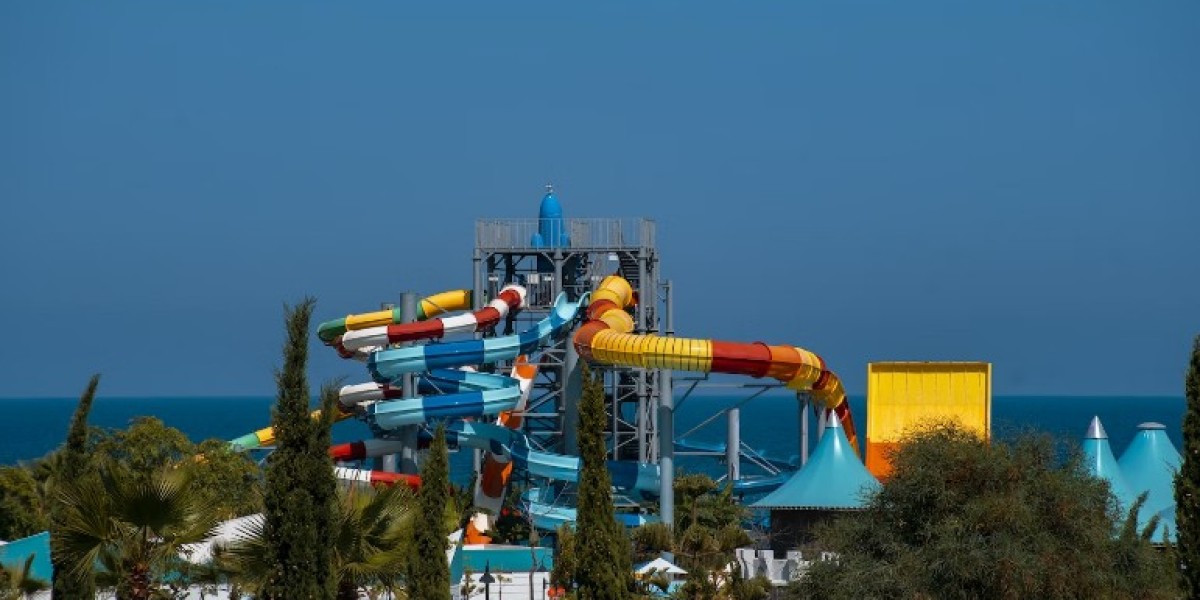


Building a water park is an ambitious undertaking that blends complex engineering, creative theming, and rigorous safety standards. Whether you are developing a standalone attraction, a resort-integrated facility, or expanding an existing destination, the success of your venture hinges on assembling the right team. From the initial feasibility study to the final grand opening, your choice of partners will define the long-term profitability and safety of your aquatic environment.
At Oasis Water Playgrounds, we understand that the journey from concept to reality is multifaceted. Choosing a professional water park builder and collaborating with high-quality water park equipment suppliers are the most critical decisions you will make in the early stages of development.
The Importance of Professional Design and Planning
Good water park design is far more than just arranging slides and pools. It is about crafting an experience that manages human behavior in a high-traffic, aquatic environment.
Successful parks prioritize flow, safety, and psychology. When planning your facility, consider these fundamental principles:
Start with the "Guest Day": Instead of focusing solely on a list of slides, map out the guest experience hour by hour. How do they arrive? Where do they go first? Where are the stress points (such as locker rooms or lunch surges)? Designing for these natural patterns ensures a smoother operation.
Zone by Intensity: Clearly separate your park into zones—thrill, family, kids, and relaxation. This helps manage crowd flow and allows different age groups to find the environment that suits them best.
Build for the Future: Trends shift, and popularity patterns change. A well-designed park includes space for future expansion, reconfigurable queue areas, and modular food and beverage kiosks to remain relevant for years to come.
Selecting Your Water Park Builder
Your water park builder acts as the orchestrator of your project. They must manage structural engineering, hydraulic design, and regulatory compliance while maintaining your vision. When evaluating potential partners, look for the following:
Proven Track Record: Review their portfolio of completed projects. A builder with deep experience understands how to navigate the complex interdependencies of filtration systems, bather load management, and site drainage.
Full-Service Capabilities: The best partners support the full project cycle. This includes feasibility studies, master planning, technical drawings, and coordination during construction.
Regulatory Knowledge: Building codes for aquatic facilities are strict and vary significantly by region. A reputable builder will ensure that your project meets all international safety standards, such as those set by ASTM or EN.
Partnering with Reliable Water Park Equipment Suppliers
The "soul" of your park is found in its attractions. Working with established water park equipment suppliers is essential to ensure that your slides, splash pads, and water play structures are not only exciting but also durable and safe.
When vetting suppliers, prioritize these criteria:
Quality and Safety Certification: Demand proof of compliance with global safety standards. High-quality equipment should feature slip-resistant surfaces, smooth edges, and materials known for their durability in corrosive, high-moisture environments.
Innovation and Customization: Modern guests expect immersive experiences. Leading suppliers offer interactive features—such as smart water sensors, LED lighting, and themed designs—that keep visitors engaged and encourage repeat visits.
After-Sales Support: An equipment purchase is a long-term investment. Reliable suppliers provide more than just the product; they offer installation guidance, maintenance training, spare parts availability, and warranty support. This ongoing partnership can significantly extend the lifespan of your attractions and minimize downtime.
Maximizing Your Return on Investment
A successful water park is a profitable business asset. Beyond the initial excitement, your operational strategy must focus on long-term sustainability.
1. Optimize Operational Efficiency: Use energy-efficient pumps, high-quality filtration systems, and sustainable water management practices. These choices reduce utility costs and demonstrate a commitment to environmental responsibility.
2. Focus on Secondary Spend: The "water park effect" often leaves guests hungry and looking for entertainment. Strategically place food and beverage outlets, retail shops, and cabana rentals where guests naturally pause or gather.
3. Create Unique Experiences: Differentiation is key to competing in a crowded market. Whether it is through custom theming, unique ride configurations, or inclusive play zones for all abilities, a park that offers something distinctive will always have a competitive edge.
Building a water park is an exciting endeavor that requires careful planning, expertise, and the right partners. By focusing on safety, guest flow, and high-quality equipment, you can create an aquatic destination that delights visitors and stands the test of time. Reach out to experienced professionals early in your planning process to turn your vision into a thriving, profitable reality.






