

Introduction
A well-designed water play area can transform an ordinary outdoor space into an exciting destination for children and families. When planning a splash pad in a Philippine project, the goal should be more than simply adding water features. A successful splash pad combines interactive play, thoughtful design, safety, durability, and an enjoyable environment where children can explore and stay active.
For Oasis Water Playgrounds, creating engaging aquatic spaces means considering how every element works together. From colorful water features to carefully planned layouts, each part of the project can contribute to a memorable experience. A thoughtfully developed water playground can serve communities, resorts, recreational facilities, commercial properties, and other family-oriented destinations.
Understanding the Purpose of a Splash Pad
Before selecting water features, it is important to define the purpose of the space. A splash pad can be designed for toddlers, young children, families, or a combination of different age groups. Understanding the intended users helps determine the size, layout, feature selection, and overall atmosphere of the project.
Unlike traditional swimming pools, splash pads can provide interactive water play without requiring deep standing water. Children can activate sprays, move through water effects, and interact with different play elements. This creates opportunities for physical activity and imaginative play while giving families a refreshing outdoor experience.
Oasis Water Playgrounds focuses on creating aquatic play environments that can be adapted to different project requirements. Each space can be planned around the available area, expected visitors, design objectives, and desired play experience.
Choosing the Right Water Features
Water features are among the most important components of any splash pad. They determine how children interact with the space and can influence the overall character of the playground.
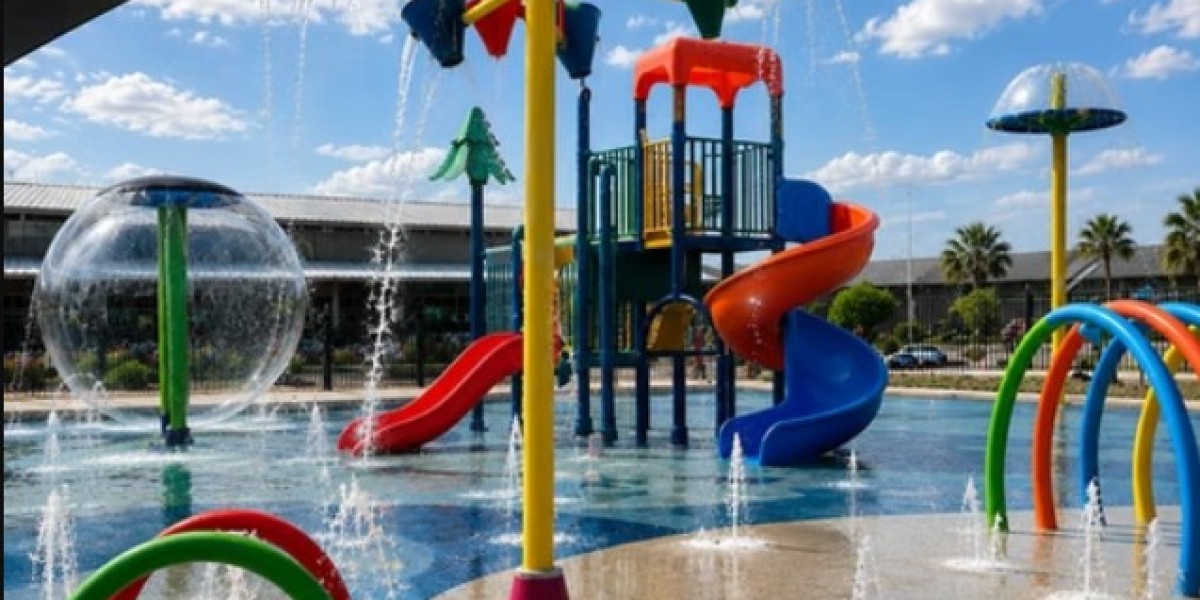
A well-planned project can combine several types of interactive features. Ground sprays can create movement across the play surface, while vertical sprays can add visual excitement. Interactive water elements can encourage children to activate, chase, or move through streams of water.
Overhead features can also provide another level of play. Water buckets, arches, tunnels, and spray structures can create different experiences within the same space. Instead of filling the area with unrelated equipment, the features should work together around a clear design concept.
For Oasis Water Playgrounds, feature selection can be approached with both entertainment and practicality in mind. The objective is to create an environment that encourages children to move, interact, discover, and enjoy water play.
Designing for Different Age Groups
Children do not all interact with water play in the same way. Toddlers may prefer gentle sprays and open spaces, while older children may enjoy more active and challenging features.
Creating separate activity zones can help accommodate different age groups. A quieter section can provide simple ground-level water effects for younger visitors, while another area can include more dynamic interactive features for older children.
This type of planning can make the space more comfortable for families. Parents can enjoy watching their children play while children have opportunities to explore features suited to their abilities.
A strong design should also consider movement throughout the area. Pathways and activity zones should allow children to move naturally between different features without creating unnecessary congestion.
Making Safety Part of the Design
Safety should be considered from the earliest stages of an aquatic playground project rather than treated as an afterthought. The layout, surface, water features, drainage, and circulation areas all contribute to the overall experience.
A suitable splash pad surface should provide an appropriate environment for active play. Drainage should also be carefully considered so that water can move away from play areas efficiently. The positioning of features can help maintain clear sightlines and make supervision easier for parents and caregivers.
Water management is another important part of planning. A properly developed system can support effective collection, treatment, and circulation of water while helping maintain the functionality of the playground.
Oasis Water Playgrounds approaches aquatic play projects with attention to the practical requirements that support enjoyable and responsible recreational spaces.
Creating an Attractive Theme
A splash pad does not have to look like a collection of separate water features. A strong visual theme can connect the entire playground and make it more memorable.
Themes can be inspired by nature, adventure, marine life, tropical environments, fantasy, or playful geometric concepts. Colors, shapes, structures, and water effects can be coordinated to create a unified appearance.
The design should also complement its surroundings. A community recreation area may benefit from a bright and welcoming concept, while a resort or commercial development may require a more distinctive visual identity.
When designing a splash pad Philippine project, understanding the local environment and the expectations of its users can help create a more relevant and appealing experience.
Planning the Space Efficiently
Available space should influence the design from the beginning. A smaller area does not necessarily mean fewer opportunities for play. With thoughtful planning, compact spaces can include multiple interactive experiences without becoming overcrowded.
Feature placement is particularly important. Designers can use different zones to create a natural flow through the playground. Open areas can provide room for movement, while concentrated activity zones can encourage interaction.
Larger projects may offer opportunities for several themed areas. These could include gentle play zones, interactive sections, spray features, and larger aquatic structures. The final arrangement should balance entertainment, circulation, supervision, and maintenance requirements.
Considering Long-Term Use
A water playground is an investment in recreational infrastructure, so planning should extend beyond the opening day. Materials, equipment, water systems, drainage, and accessibility should all be considered as part of the long-term project.
Regular maintenance can help preserve the appearance and performance of the space. Keeping water features clean, checking equipment, monitoring surfaces, and maintaining water systems can contribute to a better experience for visitors.
Project owners should also consider how the playground may be used during different seasons and by varying numbers of visitors. A flexible design can help the space remain useful and attractive over time.
Why Professional Planning Matters
Developing an aquatic playground requires coordination between creative design and practical planning. Simply selecting attractive water features is not enough. Their positioning, water requirements, circulation, drainage, safety considerations, and relationship to the surrounding environment all need attention.
Oasis Water Playgrounds provides an approach centered on creating interactive aquatic environments that bring together design and functionality. The right planning process can turn an empty outdoor area into a destination where children and families can spend meaningful time together.
Creating Memorable Family Experiences
One of the strongest benefits of a splash pad is its ability to encourage shared experiences. Children can play together, discover new features, and remain physically active while parents and caregivers enjoy a family-oriented environment.
A successful aquatic playground can become more than a recreational installation. It can become a community gathering point, an attraction for visitors, or an engaging addition to a larger development.
The most effective projects are those that consider the entire visitor experience—from entering the space to discovering the first water feature, moving through different activity zones, and enjoying the environment with family and friends.
Conclusion
A successful splash pad Philippine project begins with thoughtful planning and a clear understanding of the people who will use it. Feature selection, age-appropriate play, safety, water management, attractive themes, efficient layouts, and long-term usability all contribute to the quality of the finished space.
Oasis Water Playgrounds can help turn these considerations into a cohesive aquatic play environment. By combining creativity with practical planning, each project can offer children an exciting place to play while giving families a refreshing and memorable recreational experience.
Whether the project is intended for a community, resort, commercial development, or family destination, careful design can make the difference between a simple water area and a truly engaging aquatic playground. With the right concept and planning, water play can become an enjoyable part of everyday recreation for children and families across the Philippines.






