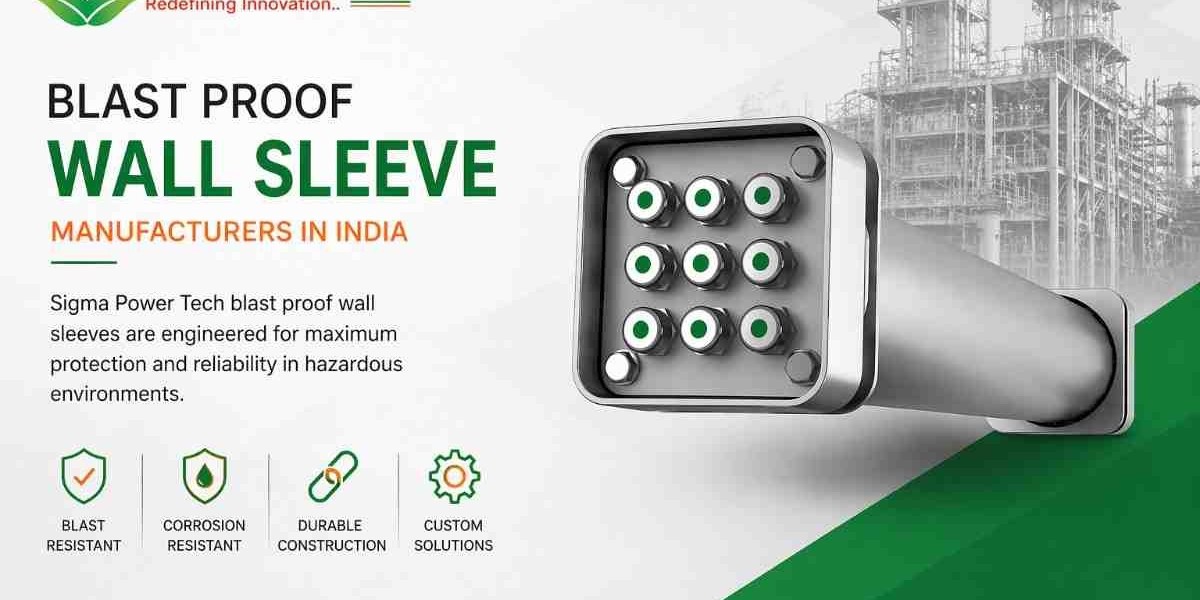


A newly built chemical processing facility was entering its final commissioning phase before operations could begin. Every major safety system had been installed, including blast-resistant walls, reinforced access doors, and protected ventilation. During the last engineering inspection, however, the team discovered that one Blast Protection Wall Sleeve had been installed with improper alignment and incomplete sealing around a utility penetration. Although the issue appeared minor, it could have weakened the wall's blast resistance during an explosion. Correcting the installation before commissioning prevented costly rework and reinforced a valuable lesson—proper installation is just as important as selecting the right product.
For engineers responsible for high-risk facilities, understanding installation best practices is essential for ensuring long-term structural protection.
What is a Blast Protection Wall Sleeve?
A Blast Protection Wall Sleeve is a specially engineered penetration system that allows pipes, ducts, conduits, and cable trays to pass safely through blast-resistant walls without compromising structural integrity. Unlike conventional wall sleeves, these systems are designed to resist explosion pressure while preserving the strength of the surrounding barrier.
A high-quality Blast Protection Sleeve reinforces service penetrations and helps prevent them from becoming structural weak points during blast events. It also provides reliable gas-tight and water-tight sealing, protecting critical areas from smoke, hazardous gases, dust, and moisture.
Proper installation ensures that these engineered features perform exactly as intended during emergency situations.
How Does an Explosion Protection Sleeve Work?
An explosion produces powerful shock waves that travel rapidly through buildings, placing enormous stress on structural components. Utility penetrations naturally experience concentrated pressure because they interrupt reinforced walls.
An engineered Explosion Protection Sleeve transfers these blast loads into the surrounding structure, reducing stress around the opening and helping prevent cracking or structural failure. This reinforcement enables blast-resistant walls to maintain their protective capability during high-pressure events.
Its sealing system also prevents hazardous gases and airborne contaminants from entering secure spaces after the explosion, improving personnel safety and operational continuity.
Installation Best Practices Engineers Should Follow
Successful installation begins with careful planning and attention to engineering details.
Follow Approved Design Drawings: Every sleeve should be installed exactly as specified in approved structural and mechanical drawings. Incorrect positioning may reduce blast performance or interfere with connected utility systems.
Maintain Proper Alignment: A correctly aligned Blast Resistant Sleeve allows pipes, ducts, and conduits to pass through the wall without placing unnecessary stress on the sleeve or surrounding concrete.
Secure Before Concrete Placement: For cast-in-place installations, the sleeve must be firmly fixed before concrete is poured. Any movement during construction can affect structural integrity and future installation accuracy.
Install Certified Sealing Systems: A dependable Blast Guard Sleeve relies on properly installed gas-tight and water-tight sealing materials. Always use approved sealing components that match the engineering specification.
Complete Final Inspection: Before commissioning, inspect alignment, weld quality, anchoring, corrosion protection, and sealing performance. Proper documentation ensures compliance with project requirements.
Key Features That Support Reliable Installation
Selecting a high-quality sleeve makes installation more effective and improves long-term performance.
Important features include:
- High structural strength
- Certified blast pressure resistance
- Reliable gas-tight and water-tight sealing
- Corrosion-resistant construction
- Precision manufacturing
- Long operational service life
A professionally engineered Protective Blast Sleeve combines these characteristics to deliver dependable protection throughout the facility's lifespan.
Where are Blast Protection Wall Sleeves Used?
Blast protection wall sleeves are widely installed in facilities where explosion hazards require advanced structural protection.
Typical applications include:
- Oil and gas processing facilities
- Petrochemical plants
- Chemical manufacturing units
- Defence installations
- Ammunition storage facilities
- Power generation stations
- Underground bunkers and shelters
- Industrial control rooms
- Critical infrastructure projects
In these environments, a dependable Blast Shield Sleeve helps maintain structural integrity while protecting essential utility penetrations.
Factors Affecting Blast Protection Wall Sleeve Price
Several engineering factors influence the overall cost of a blast protection wall sleeve.
Key pricing considerations include:
- Required blast pressure rating
- Sleeve diameter and wall thickness
- Material specification
- Corrosion-resistant coatings
- Gas-tight or water-tight sealing systems
- Custom fabrication requirements
- Installation complexity
- Quantity required
Although lower-cost products may appear attractive, they often lack certified testing or engineering validation. Investing in quality products generally delivers better long-term value.
How to Choose Blast Proof Wall Sleeve Manufacturers in India
Choosing an experienced manufacturer helps ensure successful installation and dependable performance.
Look for suppliers that provide:
- Proven blast engineering expertise
- Certified testing and technical documentation
- Custom manufacturing capabilities
- Compliance with recognised engineering standards
- Technical support during installation
- Strong quality assurance procedures
- Reliable after-sales service
Solutions such as the Sigma Power Tech Blast Sleeve are engineered for demanding industrial environments where precision manufacturing, installation accuracy, and long-term reliability are essential.
Common Mistakes to Avoid
Several installation and procurement mistakes can reduce the effectiveness of blast protection systems.
Avoid these common errors:
- Using conventional wall sleeves in blast-rated structures
- Incorrect sleeve positioning or alignment
- Using non-approved sealing materials
- Ignoring engineering documentation
- Choosing suppliers without blast engineering expertise
- Skipping final installation inspections
Avoiding these mistakes helps ensure that every wall penetration contributes to the facility's overall protection strategy.
Now is the perfect time to review your facility's safety setup and verify that every blast protection wall sleeve has been installed according to engineering specifications.
You should also consider upgrading your protection systems if older installations no longer meet current blast protection requirements.
To stay informed about modern engineering practices, explore more safety insights and continue improving your facility's resilience.
Conclusion
Proper installation is essential for ensuring that an Explosion Protection Sleeve delivers its full protective capability. Correct alignment, certified sealing, secure anchoring, and careful inspection all contribute to maintaining the strength of blast-resistant walls during explosion events.
By selecting high-quality Blast Protection Wall Sleeve systems from experienced manufacturers and following proven installation practices, engineers can significantly improve structural resilience and operational safety. In hazardous industrial environments, attention to installation quality is a practical investment that protects people, infrastructure, and critical operations for years to come.









