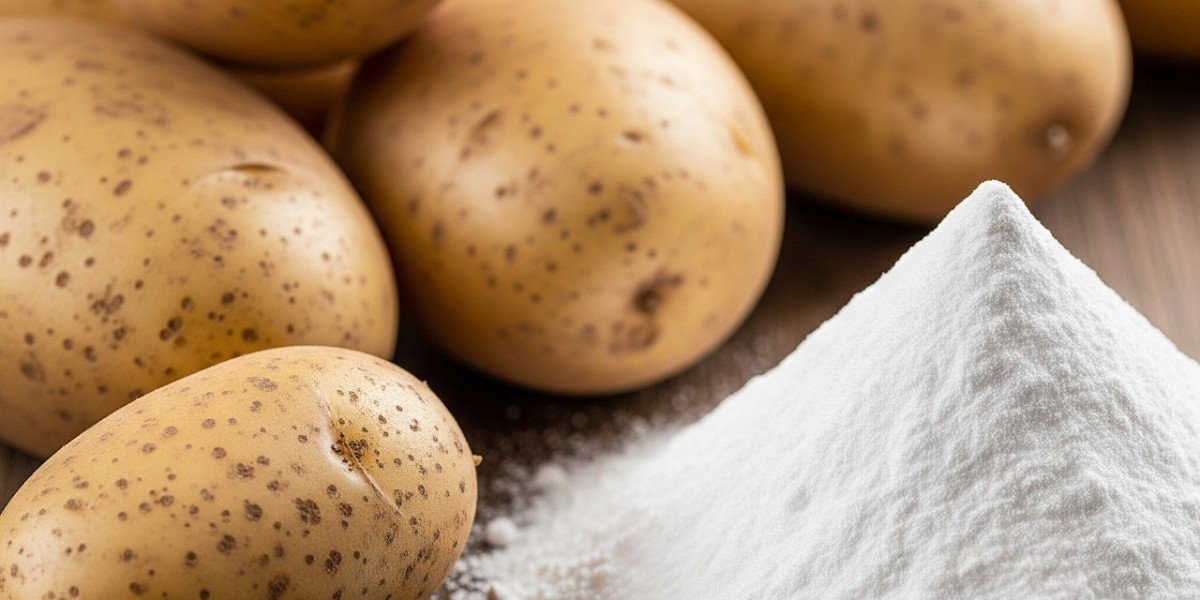


Starch derivatives are modified forms of naturally occurring starches designed to deliver specific functional properties for industrial and commercial applications. Produced from sources such as corn, wheat, cassava, potato, and rice, these ingredients can undergo physical, enzymatic, or chemical modification to improve characteristics including solubility, stability, viscosity, texture, adhesion, and resistance to processing conditions. A comprehensive Starch Derivative Overview reveals that these versatile materials have become important across food and beverage manufacturing, pharmaceuticals, paper production, textiles, animal nutrition, cosmetics, adhesives, and several other industries.
The growing importance of starch derivatives is closely connected to the demand for ingredients and materials that combine functionality, cost efficiency, and adaptability. Manufacturers increasingly require ingredients capable of maintaining performance under changing temperatures, acidic conditions, mechanical stress, freezing, thawing, and extended storage. Starch derivatives can be tailored to meet many of these requirements, making them valuable alternatives or complements to synthetic additives and other functional ingredients.
Understanding the Role of Starch Derivatives
Native starch does not always provide the performance needed for modern industrial processing. For example, unmodified starch may break down under intense heat, lose viscosity during processing, or show limited stability in acidic products. Modification helps overcome these limitations by changing the molecular structure or functional behavior of the starch.
Common categories include modified starch, maltodextrin, glucose syrups, cyclodextrins, dextrins, resistant starch, and other specialized derivatives. Each category offers distinct characteristics. Some are primarily used as thickeners and stabilizers, while others function as sweeteners, encapsulation agents, bulking ingredients, film-forming materials, or texture modifiers.
This diversity is one of the defining strengths of the starch derivative industry. A single agricultural raw material can be transformed into multiple value-added products designed for entirely different applications. As a result, starch processing supports a broader value chain that connects agricultural production with food manufacturing and industrial material development.
Food and Beverage Applications Drive Functional Demand
Food and beverage processing remains one of the most important application areas for starch derivatives. Manufacturers use them to improve texture, viscosity, moisture retention, stability, mouthfeel, and shelf life. They can be found in bakery products, sauces, soups, dairy alternatives, confectionery, processed foods, beverages, and convenience products.
Modified starches are particularly useful where food products are exposed to demanding manufacturing conditions. High temperatures, freezing cycles, mechanical mixing, and changes in acidity can affect product quality. Carefully selected starch derivatives help maintain consistency throughout production and storage.
Consumer preferences are also influencing product development. Demand for convenient foods with improved texture and clean sensory characteristics has encouraged manufacturers to evaluate different starch-based solutions. At the same time, interest in plant-derived ingredients has created opportunities for starch derivatives obtained from non-animal sources.
A detailed Starch Derivative Overview also highlights the increasing importance of resistant starch and other specialized ingredients associated with nutritional formulation. These products can be incorporated into foods designed to increase fiber content or modify nutritional characteristics while preserving acceptable taste and texture.
Expanding Industrial Uses Beyond Food
The value of starch derivatives extends well beyond the food sector. In paper manufacturing, starch-based products are used to improve surface properties, binding, coating, and paper strength. The paper industry requires functional materials that can support efficient processing while contributing to product quality.
The textile sector also uses starch derivatives in sizing and finishing applications. Their film-forming and binding characteristics can help improve yarn handling and manufacturing performance. Similarly, adhesives represent another significant application area because certain starch derivatives provide bonding properties suitable for products such as corrugated board, packaging materials, and paper-based goods.
Pharmaceutical manufacturers use selected starch derivatives as excipients and functional ingredients. Depending on the formulation, they may support tablet production, improve disintegration, act as binders, or assist in controlled ingredient delivery.
These varied applications reduce dependence on a single end-use industry. The ability of starch derivatives to serve food, industrial, pharmaceutical, and personal care applications creates a broad platform for product development.
Raw Material Diversity Creates Strategic Flexibility
Corn is widely used as a starch source, but potato, cassava, wheat, and rice also contribute to the production landscape. The choice of raw material depends on regional availability, starch characteristics, processing economics, and the requirements of the final application.
Cassava-based starch, for example, is important in regions where cassava cultivation is well established. Potato starch can offer particular functional characteristics that make it suitable for selected food and industrial uses. Wheat and corn provide additional options and support large-scale processing capabilities in major agricultural regions.
This raw material diversity creates flexibility but also introduces supply considerations. Weather conditions, crop yields, agricultural policies, transportation costs, and competition from other uses can influence the availability and pricing of starch feedstocks. Producers therefore need efficient sourcing strategies and processing systems to manage fluctuations.
The industry is also exploring ways to improve raw material utilization and processing efficiency. Better extraction technologies, enzyme applications, and process optimization can increase yields while supporting more specialized product development.
Innovation Is Expanding Functional Possibilities
Innovation is a major feature of the starch derivative industry. Manufacturers are developing products with improved heat stability, freeze-thaw resistance, clarity, solubility, and processing performance. Enzymatic modification is also receiving attention because it can provide targeted changes in starch functionality.
Encapsulation represents another important area. Certain starch derivatives can help protect sensitive ingredients, including flavors, vitamins, and other compounds, from environmental exposure. This functionality supports applications in food, beverages, pharmaceuticals, and specialty formulations.
The development of tailored starch derivatives is becoming increasingly important as manufacturers seek ingredients that solve specific formulation challenges. Instead of relying on general-purpose materials, processors can select products designed for particular temperature ranges, processing conditions, or end-product characteristics.
Digital process monitoring and improved analytical capabilities may further support quality consistency. By gaining greater control over production variables, manufacturers can improve batch reliability and develop products with more predictable functional behavior.
Sustainability and Renewable Material Interest
Starch derivatives benefit from their connection to renewable agricultural resources. As industries explore alternatives to certain petroleum-based materials, bio-based ingredients and functional materials are receiving greater attention. Starch-based solutions may support the development of renewable adhesives, packaging components, coatings, and other materials.
However, sustainability depends on more than the biological origin of the raw material. Water use, energy consumption, agricultural practices, transportation, processing efficiency, and waste management all influence the overall environmental profile. Producers are therefore focusing on process improvements that reduce resource consumption and increase material efficiency.
The use of agricultural co-products and improved production technologies may also create opportunities for more circular manufacturing models. Companies that can combine functional performance with efficient resource use may strengthen their position in industries increasingly focused on sustainability objectives.
Competitive Landscape and Product Differentiation
Competition in the starch derivative industry is shaped by processing capabilities, raw material access, application expertise, product quality, and customer relationships. Large-scale producers benefit from established supply chains and broad product portfolios, while specialized manufacturers may compete through customized formulations and technical support.
Product differentiation is especially important because end users often require ingredients that perform consistently within highly specific manufacturing systems. Technical collaboration between starch processors and customers can therefore play a significant role in product development.
Companies are also expanding their focus from basic ingredient supply toward solution-oriented offerings. Providing formulation expertise, application testing, and customized functionality can create stronger customer relationships and reduce direct competition based solely on price.
Future Direction of the Starch Derivative Industry
The future of starch derivatives will be shaped by continued demand for functional, adaptable, and renewable materials. Food manufacturers will seek improved texture, stability, and nutritional functionality, while industrial users will continue exploring bio-based alternatives for adhesives, paper, textiles, and other applications.
A forward-looking Starch Derivative Overview suggests that innovation will increasingly focus on application-specific performance rather than volume alone. Advanced processing, enzyme technologies, specialized raw materials, and improved sustainability practices are likely to influence product development.
As global industries place greater emphasis on efficient resource use and functional formulation, starch derivatives are positioned to remain highly relevant. Their ability to combine agricultural origins with diverse industrial properties gives them a distinctive role in modern manufacturing. Continued research, process innovation, and customized product development will determine how effectively the industry captures emerging opportunities across established and new application areas.









